Poli Alert Politics & Civics
Related Articles



U.S. consumer prices rose sharply in March as the war with Iran drove a surge in energy costs, complicating the Federal Reserve’s efforts to bring inflation back to its target, according to new government data released Friday.
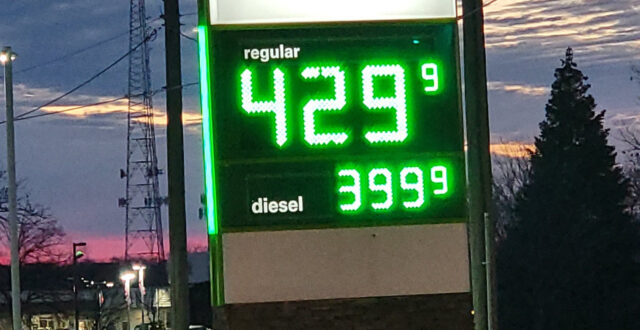
The Consumer Price Index, reported by the Bureau of Labor Statistics, increased 0.9% for the month, pushing the annual inflation rate to 3.3%. The rise was largely fueled by a 10.9% jump in energy prices, with gasoline alone surging 21.2%.
The annual rate marked the highest level since April 2024 and a notable increase from February’s 2.4%.
Core inflation shows moderation
Despite the headline spike, underlying inflation remained more subdued. Core prices — which exclude volatile food and energy costs — rose just 0.2% in March and 2.6% over the past year, both slightly below expectations.
Several categories even saw price declines, including medical care, personal care and used vehicles, suggesting broader inflation pressures remain contained.
Economists said the data indicates the energy-driven surge may be temporary rather than a sign of sustained inflationary pressure.
War-driven volatility clouds outlook
The spike in prices coincided with escalating conflict involving Iran, which disrupted global energy markets and sent fuel costs higher. Since then, a tentative ceasefire has helped stabilize prices somewhat in April.
Still, the March data underscores how geopolitical events can quickly ripple through the U.S. economy, particularly through energy markets.
Federal Reserve faces wait-and-see approach
The report is likely to reinforce a cautious stance from the Federal Reserve, which has been working to reduce inflation to its long-term 2% target.
Markets have already priced in little chance of interest rate cuts in the near term, though Fed officials have signaled openness to reductions later if inflation continues to ease.
Analysts say policymakers may look past the March spike and focus instead on underlying trends, particularly in services and housing.
Services prices excluding energy rose 0.2% for the month and 3% annually, while shelter costs increased 0.3% monthly — among the lowest annual gains since 2021.
Mixed signals across consumer spending
Food prices were flat for the month and rose 2.7% from a year earlier, with grocery prices declining slightly. Meat and egg prices continued to fall, helping offset broader cost pressures.
Other categories showed modest increases, including airline fares and apparel, pointing to some lingering effects from tariffs and global instability.
The inflation surge also weighed on workers’ purchasing power. Real average hourly earnings fell 0.6% in March, as wage growth failed to keep pace with rising prices.
Outlook remains uncertain
While easing energy prices could help moderate inflation in coming months, economists warn that continued geopolitical tensions and market volatility could keep upward pressure on costs.
For now, the data suggests the Federal Reserve may have room to remain patient — but the path back to stable, low inflation remains uneven.