Poli Alert Politics & Civics
Related Articles



The United States and Iran reported significant progress Monday after high-level negotiations in Switzerland produced a roadmap aimed at securing a final agreement within 60 days, marking a potentially pivotal step toward ending months of conflict and stabilizing the Middle East.
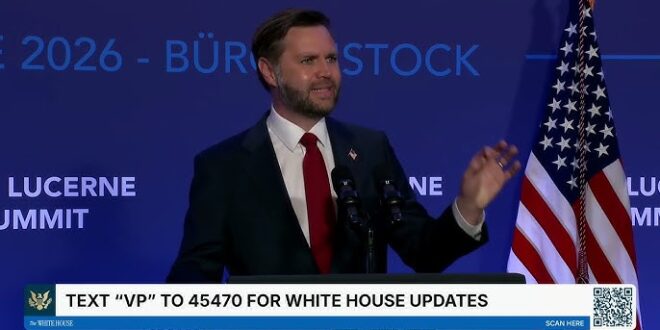
Vice President JD Vance, who participated in the talks, said negotiators established a foundation for a broader accord despite ongoing disputes over Iran’s nuclear program, sanctions relief and regional security issues.
“We laid a very good foundation for a successful final deal,” Vance told reporters before departing Switzerland. “The final deal is the house. We set the foundation. We haven’t built the house, but we’ve laid a successful foundation to get to a good place for the American people.”
The negotiations took place in the Swiss mountain resort of Bürgenstock and followed last week’s interim agreement brokered by President Donald Trump’s administration to halt hostilities and reopen key shipping routes in the Persian Gulf.
Road Map Targets Final Agreement Within 60 Days
Mediators from Pakistan and Qatar released a joint statement describing the talks as constructive and confirming that both sides agreed to establish a formal roadmap toward a comprehensive agreement within 60 days.
The statement announced the creation of a new High-Level Committee tasked with overseeing negotiations and resolving disputes involving sanctions, nuclear issues and regional security concerns.
The committee is expected to supervise ongoing technical discussions that began immediately after Sunday’s marathon talks.
Iran’s semiofficial Mehr News Agency reported that senior Iranian officials departed Switzerland after approximately 18 hours of negotiations, while Deputy Foreign Minister Kazem Gharibabadi remained behind to lead technical discussions.
Strait of Hormuz and Lebanon Become Key Priorities
One of the most immediate outcomes of the talks was the establishment of direct communication channels designed to prevent military escalation.
Negotiators agreed to create a deconfliction mechanism focused on Lebanon, where fighting between Israel and the Iranian-backed militant group Hezbollah has continued despite broader diplomatic efforts.
A separate communications line was established to ensure the uninterrupted flow of commercial shipping through the Strait of Hormuz, one of the world’s most critical energy transit corridors.
The strait has faced repeated disruptions in recent months, raising concerns about global oil supplies and international shipping.
Global energy markets responded positively to news of the talks, with oil prices declining Monday amid hopes that shipping disruptions could ease.
Iran Agrees to Nuclear Inspections
Vance said Iran agreed during the talks to allow inspectors from the International Atomic Energy Agency (IAEA) to return to the country, a move viewed as a significant confidence-building measure.
The vice president also revealed that White House adviser Jared Kushner proposed a mechanism for releasing frozen Iranian assets.
Under the proposal, assets would be unlocked with U.S. and Qatari oversight and used to finance Iranian purchases of American agricultural products, including soybeans, corn and wheat.
Vance described the proposal as “a classic Trump deal.”
Trump’s Threats Nearly Derailed Negotiations
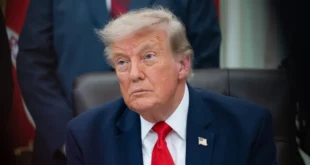
Despite the positive outcome, negotiations were nearly disrupted by renewed warnings from President Trump.
Vance confirmed that Iranian negotiators considered walking away after Trump threatened additional military action if Tehran again attempted to close the Strait of Hormuz or failed to restrain Hezbollah operations in Lebanon.
“What we told the Iranians yesterday is when you guys engage in what us millennials might call ‘trash talk,’ you can’t expect the president of the United States not to respond and not to correct the record,” Vance said.
Trump warned Sunday that the United States would respond forcefully if Iran blocked maritime traffic or continued supporting armed groups in the region.
Challenges Remain Ahead
While negotiators described the talks as productive, major obstacles remain before a final agreement can be reached.
Key unresolved issues include the future of Iran’s nuclear activities, sanctions relief, enforcement mechanisms and long-term guarantees regarding regional stability.
Iranian Foreign Minister Abbas Araghchi cautioned Monday that the newly established deconfliction mechanism would be the first major test of whether recent diplomatic progress can translate into tangible results.
Iranian officials also warned that continued U.S. threats could jeopardize direct negotiations moving forward.
Even so, diplomats from all sides characterized the Switzerland talks as the most substantial progress since the conflict erupted earlier this year.
The next phase of technical negotiations is expected to continue throughout the week as both governments attempt to transform the preliminary framework into a comprehensive agreement before the 60-day deadline expires.