


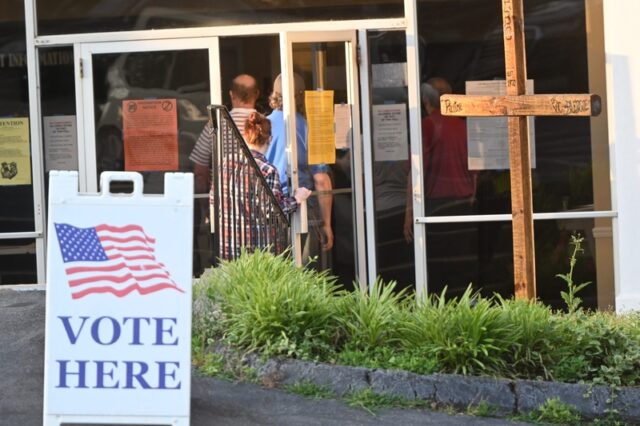
Georgia election certification is due this week, and once the state signs off on the Nov. 3 results, a possible recount and a Dec. 1 runoff will decide how much room Democrats have in their new majority in the Georgia House of Representatives.
Democrats won at least 91 of the 180 seats in the state House, the bare majority needed to control the chamber, according to Associated Press race calls reported by the Georgia Recorder. Democrats gained 10 seats overall and have been in the minority in the Georgia House for more than 20 years. Three seats were still unsettled as of last weekend.
All 159 counties have finished certifying their results, the first step in Georgia election certification. Robert Sinners, a spokesperson for the Georgia secretary of state’s office, told the Georgia Recorder he expects statewide certification to be completed this week. Georgia law requires the state to certify within 17 days of the election, which puts the deadline at Friday, Nov. 20.
The political news that affects your wallet, your rights and your vote, broken down in plain language. Free in your inbox.
Before Georgia election certification is final, Secretary of State Brad Raffensperger’s office is running what it calls a record 20 risk limiting audits, a check in which officials hand count a random sample of paper ballots to confirm that the machine count picked the right winner. Raffensperger told WSB TV the audits would be finished by Wednesday, Nov. 18. “I stand by the accuracy of the results,” he said, adding that the office is following the idea of “trust but verify.”
One of the unsettled seats shows why those reviews matter. In House District 154 in Seminole County, in southwest Georgia, a memory card holding 388 votes was never uploaded to the state on election night. The secretary of state’s office caught the gap during a routine review comparing the votes recorded in the county to the votes reported to the state. Once those votes were added, Republican Rep. Gerald Greene moved ahead of Democrat Harry James by 260 votes out of more than 20,000 cast, according to the Georgia Recorder. Raffensperger opened an investigation and said, “That is unacceptable, and we intend to find out exactly how it happened.” James has not conceded.
A second race could go to a recount, a second count of the ballots requested by a candidate when the margin is very close. In House District 103, Republican Rep. Soo Hong trails Democrat Chris Luchey by 35 votes out of about 24,000, according to the Georgia Recorder. It is the only state House race close enough to qualify, and a recount can be requested within two business days after the state certifies. House Republicans have said they are keeping their legal options open.
The third seat goes to a runoff, a second election held when no candidate wins a majority of the vote. In the southwest Georgia district held by Republican Rep. Mike Cheokas of Americus, Cheokas received about 47.9 percent of the vote, Democrat Ethan Wolfe about 40.9 percent and independent Travis Lockhart about 11.3 percent. Cheokas and Wolfe face each other on Tuesday, Dec. 1.
The results will shape how the state is run starting in January. Republicans kept control of the Georgia Senate, 29 to 27, based on AP race calls, but Democratic Lieutenant Governor elect Josh McLaurin will preside over that chamber, which gives Democrats a say in which bills come up for a vote. “Georgians have made their voices heard,” House Minority Leader Carolyn Hugley said in a statement. Speaker Jon Burns, a Republican from Newington, said, “We will continue showing up for the job we were elected to do each and every day.”
After Georgia election certification, the next dates to watch are the recount window in House District 103 and the Dec. 1 runoff. Voters in the runoff district can confirm their polling place, early voting hours and ballot options with their county election office or the Georgia secretary of state’s office.




