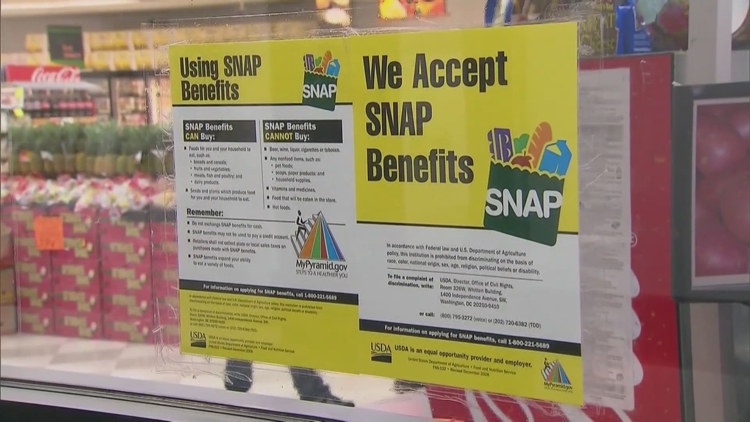
SNAP enrollment fell by about 5.6 million people over the past year, according to new U.S. Department of Agriculture data, as stricter federal work rules for food assistance took hold across the country. The Supplemental Nutrition Assistance Program, the food aid once known as food stamps, served about 35.8 million people in August 2026, down from 41.4 million in August 2025, according to USDA figures reported by Newsweek.
Monthly spending on benefits fell over the same period from $7.79 billion to $6.70 billion, a drop of 13.9 percent.
The decline follows the tax and spending law Trump signed on July 4, 2025, which Republicans named the One Big Beautiful Bill Act. The law widened SNAP’s work requirement, the rule that says certain adults without disabilities must work, volunteer or train for at least 80 hours a month or lose benefits after three months in a three year period. It raised the top age for that rule from 54 to 64 and ended exemptions for veterans, people experiencing homelessness and young adults who aged out of foster care.
The political news that affects your wallet, your rights and your vote, broken down in plain language. Free in your inbox.
States put the new rules in place at different speeds, so SNAP enrollment changes varied widely from state to state. Arizona saw the largest drop, with nearly half of its recipients leaving the program and monthly benefits falling from just over $160 million to $81.7 million. Florida, Illinois, Nevada, Oklahoma, Nebraska, Massachusetts and Kansas each saw declines of 20 to 30 percent. Only Wisconsin, up 13 percent, and Maryland, up 0.1 percent, recorded increases.
A USDA spokesperson told Newsweek that households must regularly recertify for benefits and that people “might move to employment, become disinterested in participating, or experience another change in household circumstances.” Agriculture Secretary Brooke Rollins and the White House have pointed to the decline as a success.
Kyle Ross of Georgetown University’s Center on Poverty and Inequality told Newsweek that “early evidence suggests that many people losing their SNAP benefits are not being made better off through new job opportunities.” In August, a spokesman for Arizona’s Department of Economic Security told the Associated Press that the federal changes set off unprecedented call volumes and administrative hurdles, and a Louisiana advocate said much of the loss comes down to paperwork.
The drop has come faster than budget analysts expected. In February, the Congressional Budget Office, the nonpartisan office that estimates the cost of federal laws, projected that SNAP enrollment would fall below 34 million by 2036. By May, the Associated Press reported, the number of people in the program was already about as low as the office had forecast for 2030.
More changes are on the way. Starting in October 2027, states with payment error rates above 6 percent will have to cover part of the cost of benefits, though Congress has discussed a delay. The USDA has also proposed ending broad based categorical eligibility, a rule that lets families qualify for SNAP automatically when they receive certain other aid, and estimates that change would remove 6.3 million people.
People who receive SNAP and get a notice about work rules or recertification can confirm their status, deadlines and possible exemptions with their state SNAP agency.