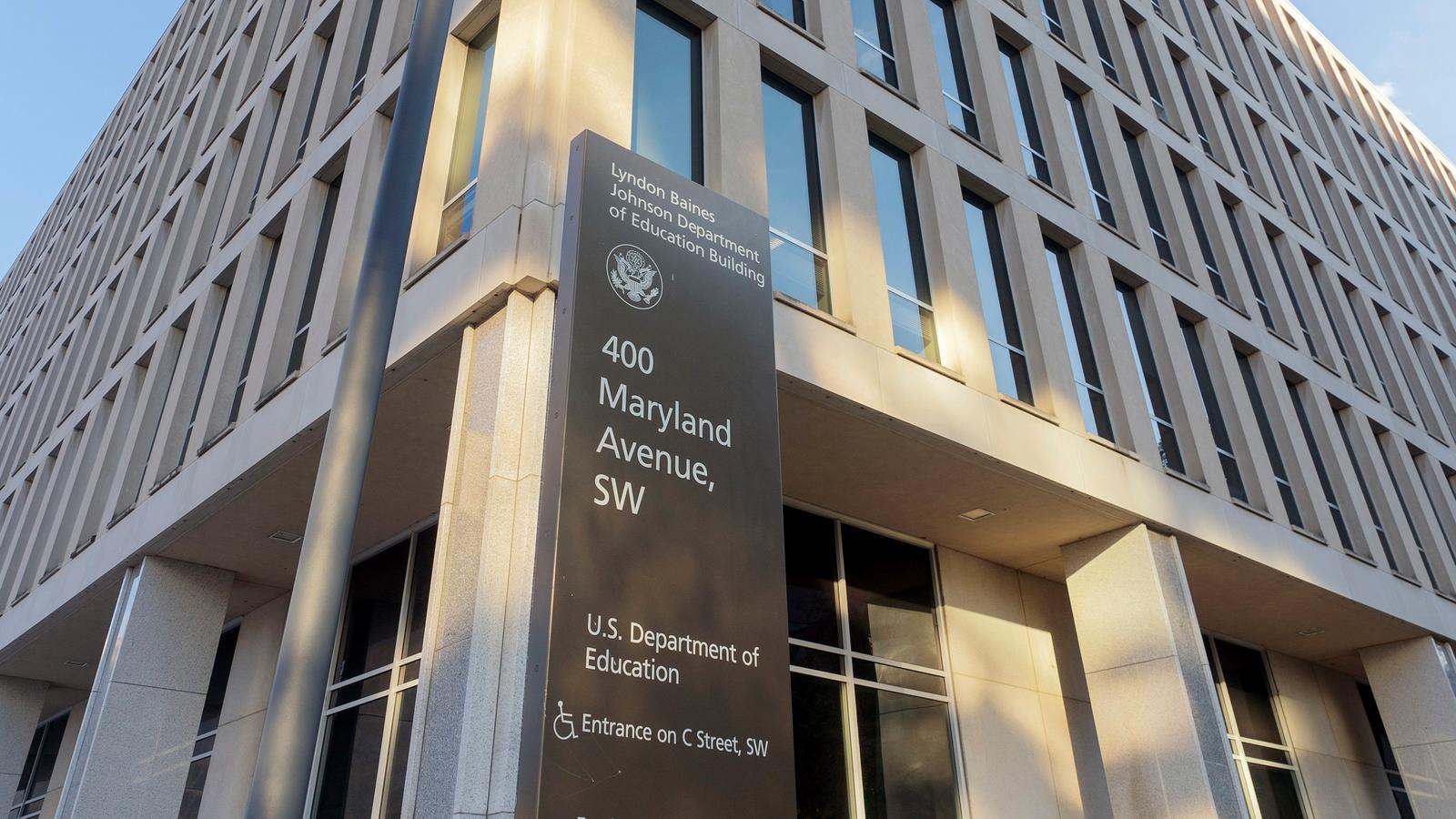
Two Republican senators have introduced a bill that would move federal student loans, Pell Grants and the FAFSA out of the Education Department and put the Treasury Department in charge, changing which agency borrowers deal with when they repay.
Sen. Ashley Moody of Florida introduced S. 5744, the Less Bureaucracy, Better Student Aid Act, on Nov. 18 with Sen. Jim Banks of Indiana as a cosponsor, according to The College Investor. The bill was sent to the Senate Health, Education, Labor and Pensions Committee, the panel that handles education legislation.
The bill would have Treasury run the roughly $1.7 trillion portfolio of federal student loans. It covers Direct Loans, older FFEL and Perkins loans, Pell Grants, Federal Work Study, Federal Supplemental Educational Opportunity Grants, and the formula the FAFSA uses to decide how much aid a student can get. The move would happen in three phases: collections on defaulted loans first, then servicing for loans in good standing, then the rules for who qualifies for aid. The Education and Treasury secretaries would have two years after the bill becomes law to finish, and the White House budget office would have to make sure the change adds no net full time federal jobs. The College Investor reported that loan balances, interest rates and repayment plan rules would not change under the bill.
The political news that affects your wallet, your rights and your vote, broken down in plain language. Free in your inbox.
The bill would write into law a shift the Trump administration has already started on its own. In March, the Education and Treasury departments announced an agreement for Treasury to take over collections on defaulted student loans. Forbes reported Nov. 23 that the Education Department is moving ahead with that plan and that Treasury is expected to pursue wage garnishment and offsets of federal benefits for borrowers in default in the coming months. Wage garnishment means part of a paycheck is taken to repay a debt, and an offset means money the government owes a person, such as a tax refund, is kept to cover it. Forbes also reported that federal law places the office that runs student aid under the education secretary, which is why a complete move would take an act of Congress.
In October, the Education Department proposed combining several student aid databases and giving Treasury access to borrowers’ personal information. The borrower advocacy group Student Defense and the Electronic Privacy Information Center filed a joint comment in early November questioning the legal basis for sharing that data and who would give borrowers the notices and hearings required before collections, Forbes reported.
A House version, H.R. 9609 from Rep. Tim Walberg of Michigan, chair of the House Education and Workforce Committee, passed that committee 19 to 16 on July 15 but has not received a floor vote.
Time is short for the Senate bill. Bills that are not passed die when a Congress ends, and this one would expire on Jan. 3, The College Investor noted. To become law, it would need committee action, 60 votes to get past a filibuster, the Senate rule that lets a minority of senators block most bills unless 60 agree to move forward, and approval by the House. The College Investor said its best chance is being attached to a year end funding bill tied to the Dec. 11 government funding deadline. Democrats take control of both the House and the Senate when the new Congress begins in January.
For now, nothing changes for borrowers in good standing. Their federal student loans are still handled by the Education Department’s Federal Student Aid office and its contracted loan servicers, and the Federal Student Aid website remains the official place to check loan status.