A federal judge has blocked the Federal Communications Commission’s (FCC) early review of ABC broadcast licenses, finding evidence that the Trump administration used its regulatory authority to retaliate against the network over constitutionally protected speech.
U.S. District Judge Loren AliKhan issued a preliminary injunction Wednesday, temporarily stopping the FCC from moving forward with license proceedings involving eight television stations owned by ABC.
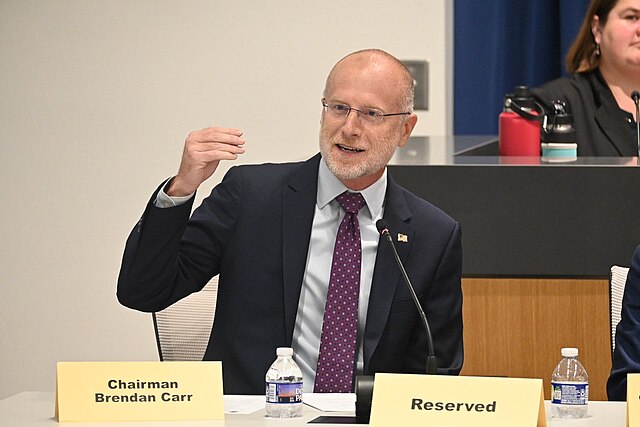
The ruling represents a setback for FCC Chairman Brendan Carr, who ordered the early reviews in April, one day after Donald Trump called for late night television host Jimmy Kimmel to be fired.
The political news that affects your wallet, your rights and your vote, broken down in plain language. Free in your inbox.
According to the Associated Press, the earliest of the eight ABC broadcast licenses was not scheduled for renewal until October 2028. The FCC had not ordered an early license review in more than 50 years.
ABC and its parent company, Disney, challenged the proceedings in federal court, arguing that the FCC was using its licensing power to punish the network for programming that Trump opposed.
AliKhan concluded that the companies were likely to succeed in their First Amendment challenge, writing in her ruling, “This is not a close case.”
The First Amendment prohibits the government from restricting protected speech or retaliating against individuals and organizations for expressing views it opposes.
While the FCC has the authority to regulate broadcast television and issue licenses to individual stations, that authority does not give the agency unrestricted power over editorial decisions or political commentary.
The FCC disputed the ruling and defended its authority to review broadcast licenses.
The legal battle comes amid repeated demands from Trump for television networks to face regulatory consequences over their programming and coverage of his administration.
The injunction protects the eight ABC stations from the challenged license proceedings while litigation continues. However, it does not prevent the FCC from pursuing other investigations involving the network.
The court has not issued a final judgment in the case. The outcome could further define the limits of federal regulatory authority over broadcasters and establish important legal protections against government retaliation for political speech.