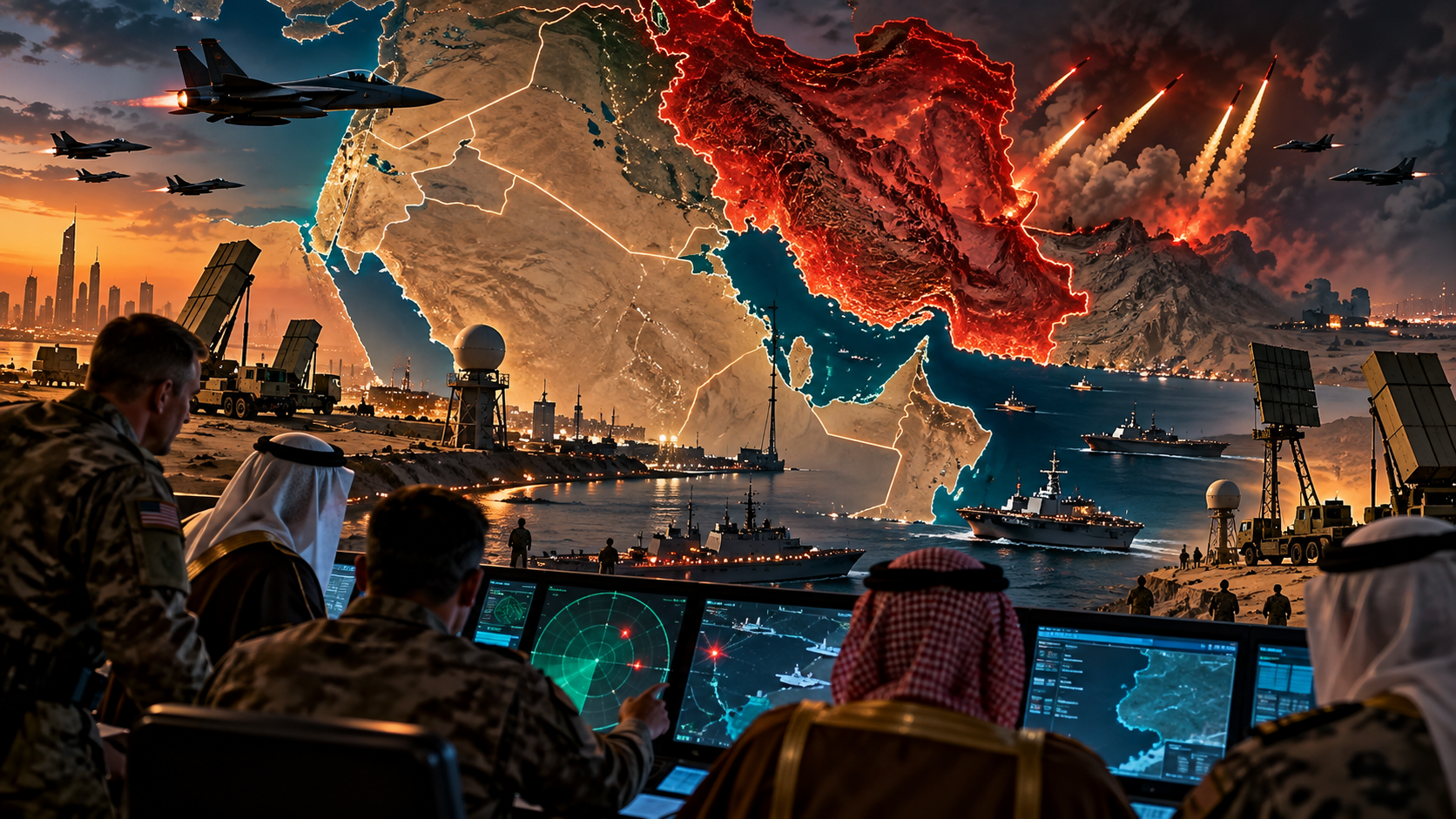
The United States has warned several Gulf countries to prepare for possible new Iran strikes after the November 3 midterm elections. The Wall Street Journal first reported on October 27 that US officials told Gulf Arab nations to brace for a short, intense military campaign, and the Associated Press confirmed the warnings a day later through two diplomats briefed on the matter.
The diplomats stressed that Trump has not made a final decision on whether to strike. But Trump has repeatedly said he is weighing new military action once the elections are over, and the warnings have put the region on alert that major fighting could return.
According to the diplomats, the US told allies the new round of attacks could last several days. Regional officials are bracing for Iran and its allied groups to hit back, which could drag the fight out much longer. US officials also urged allies to protect energy facilities and other critical infrastructure, since they expect Iran’s response could target them.
The political news that affects your wallet, your rights and your vote, broken down in plain language. Free in your inbox.
The military is already moving pieces into place. Officials told the Journal the US is sending a Patriot air defense battery from Texas to the region. A Patriot battery is a ground based missile system designed to shoot down incoming missiles and aircraft. The US has also moved troops away from bases where they could be exposed to Iranian fire, and is restocking munitions while readying bombers and fighter jets. Late last month, the Pentagon sent the aircraft carrier USS Theodore Roosevelt and a group of ships carrying Marines from San Diego to the Persian Gulf, roughly 9,000 troops in all.
The war with Iran began in late February and is now eight months old. The US has not carried out a strike on Iran since early September, but the conflict has spread. Iran backed Houthi rebels in Yemen have attacked Saudi Arabia’s oil facilities and airports, and a Saudi led coalition has hit back with deadly strikes on Houthi held areas. The Pentagon’s latest estimate to Congress puts the cost of the war to American taxpayers at $47.1 billion.
On the campaign trail, Trump has told voters the end is near while also signaling more bombing could come after the election. At a stop in Lubbock, Texas, on Tuesday, Trump said a final end to the war could come “in a couple of weeks, if you don’t mind.” He added that when people ask when the war will end, he tells them, “Whenever I want it to end.”
The war has become a burden for Republican candidates heading into Election Day, as voters deal with higher gas prices driven by the conflict, which have pushed up costs across the economy. The White House declined to comment on the warnings to allies.
Iran says it still wants a deal. Iranian Foreign Minister Abbas Araghchi posted on X Wednesday that Tehran “continues to give diplomacy a chance to succeed” and is working with mediators on a proposal it floated last month, which Trump rejected. The United Arab Emirates also urged both sides to pursue political solutions to keep the war from returning to full scale.
Some analysts warn the danger may not wait for Election Day. Jonathan Schanzer of the Foundation for Defense of Democracies, a hawkish Washington think tank, said Iran could act first if it believes a US attack is coming. “Why would they wait until after the elections here … if they could initiate it and potentially gain the upper hand?” he said.