 Poli Alert Politics & Civics
Related Articles

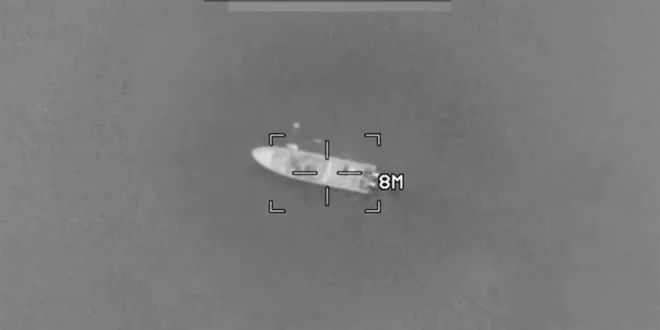
United States Southern Command said Tuesday that U.S. forces launched strikes on three boats suspected of drug smuggling in the eastern Pacific Ocean and Caribbean Sea, killing 11 people in the latest escalation of the Trump administration’s maritime counter-narcotics campaign.
In a post on X, Southern Command said intelligence confirmed the vessels were traveling along “known narco-trafficking routes” and were engaged in drug operations. The military described those killed as “male narco-terrorists,” alleging the boats were operated by “designated terrorist organizations.”
According to the statement, eight people were killed on two vessels in the eastern Pacific and three more on a boat in the Caribbean. No U.S. personnel were harmed. The strikes were carried out at the direction of Marine Corps Gen. Francis Donovan, commander of Southern Command.
The military has not publicly released evidence linking the boats or those aboard to specific drug shipments, nor has it provided documentation supporting the casualty figures. The claims have not been independently verified.
The latest strikes are part of a broader campaign the administration says is aimed at disrupting maritime drug trafficking routes used to transport narcotics toward the United States.
The Defense Department has said the U.S. has conducted more than 40 such strikes in recent months, killing more than 130 people. Administration officials argue the operations are necessary to curb the flow of illicit drugs that contribute to overdose deaths nationwide.
Defense Secretary Pete Hegseth touted the operation on social media, writing, “Turns out President’s Day — under President Trump — is not a good day to run drugs.”
President Donald Trump has framed the campaign as a national security effort, saying it is needed to stop trafficking networks he describes as a threat to American lives.
The strikes have drawn criticism from some members of Congress and legal scholars who question whether the administration has the authority to conduct repeated lethal operations without explicit prior congressional approval.
Lawmakers have so far allowed the operations to continue, despite voicing concerns about transparency and oversight.
Critics also have raised alarms over reports that in at least one prior incident, U.S. forces struck a vessel twice, killing two survivors after the initial attack.
The administration has not publicly detailed the legal framework underpinning the strikes or whether they rely on existing authorizations for the use of military force.
The campaign has increased tensions with Venezuela, which U.S. officials have described as a major transit hub for drug trafficking.
In January, U.S. forces launched a direct military operation in Venezuela, extraditing President Nicolás Maduro and his wife to face narcoterrorism and other charges in the United States. The Maduros have pleaded not guilty.
Acting Venezuelan President Delcy Rodríguez has maintained that Maduro remains the country’s legitimate leader. Trump told reporters Monday that Rodríguez “probably has to say that” for political reasons, adding that he believes she is “doing a very good job.”
The maritime strikes mark a significant expansion of the U.S. military’s role in counter-narcotics enforcement, a mission historically led by law enforcement and intelligence agencies in coordination with foreign partners.
Supporters of the policy argue that aggressive interdiction at sea disrupts trafficking routes before drugs reach U.S. shores. Critics counter that the operations risk civilian casualties, strain diplomatic relationships and blur the line between law enforcement and armed conflict.
The administration has not indicated plans to scale back the campaign.
Southern Command has not announced additional strikes but signaled that maritime operations will continue.
Congressional oversight hearings or legal challenges could follow as lawmakers and advocacy groups seek more information about the operations’ legal basis, evidence standards and long-term strategy.
For now, the administration appears committed to maintaining — and potentially expanding — its use of military force against suspected drug trafficking vessels in international waters.

