

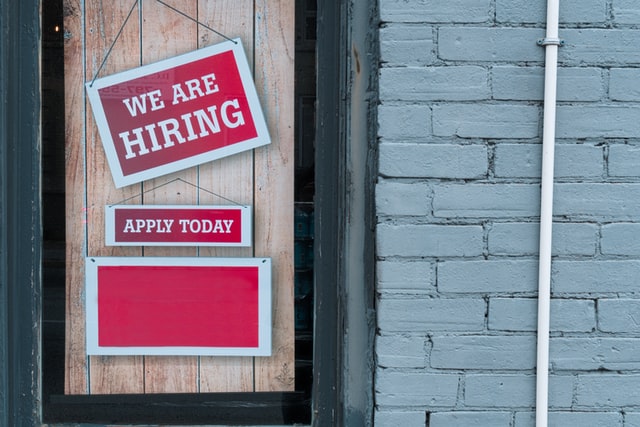
The U.S. economy added 162,000 jobs in August, far exceeding expectations and signaling that the labor market remains stronger than previously thought despite mounting pressure on hiring.
The unemployment rate held at 4.1%, according to Labor Department data released Friday. Economists had expected just 65,000 new jobs.
Job growth was broad-based. Restaurants and bars added 59,000 positions, while manufacturing gained 16,000 and construction continued to benefit from the data-center boom tied to artificial intelligence.
Local government education added 42,000 jobs, reversing losses from July. Health care also continued to expand, although at a slower pace than in recent years.
The Labor Department also revised June and July payrolls upward by a combined 55,000 jobs, adding to evidence that the labor market has been healthier than earlier reports suggested.
The biggest question now is what the report means for the Federal Reserve. Strong hiring could make policymakers more cautious about cutting rates or could strengthen the case for tighter policy if inflation remains elevated.
“An upside surprise in payrolls will likely ramp up concerns about a rate hike,” said Ellen Zentner, chief economic strategist at Morgan Stanley Wealth Management, while noting that next week’s inflation data could influence the Fed’s decision.
Not every sector gained. The information industry, which includes technology and media, lost 23,000 jobs.
Wage growth also cooled. Average hourly earnings reached $37.75, up 3.1% from a year earlier.
The labor-force participation rate improved to 61.6%, easing concerns that Americans—particularly prime-age workers—were increasingly leaving the job market.
Still, next week’s inflation report will be critical. If prices continue rising faster than wages, consumers could face renewed pressure heading into the Nov. 3 midterm elections.