Poli Alert Politics & Civics
Related Articles



President Donald Trump is allowing a sweeping bipartisan housing bill to become law without his signature, withholding his approval in protest over the Senate’s failure to advance his preferred election legislation.
The White House indicated Friday that Trump does not intend to veto the housing measure approved by Congress last month, meaning the legislation will automatically become law after the constitutional 10-day review period expires while Congress remains in session.
Under the Constitution, legislation sent to the president becomes law without a signature if it is neither signed nor vetoed within 10 days, excluding Sundays, provided Congress has not adjourned.
Trump publicly announced Friday that he would not sign the legislation, citing frustration that the Senate has not passed the Save America Act, a Republican-backed voting bill he has repeatedly prioritized.
“I will not sign the Housing Bill, which has been fully approved by Congress and sent to the White House, in PROTEST over the fact that the United States Senate is not capable of passing THE SAVE AMERICA ACT,” Trump wrote on Truth Social.
The president also criticized lawmakers from both parties, suggesting Republicans who failed to advance the election bill could be called “DUMB.”
When asked whether Trump intended to veto the housing legislation, the White House referred reporters to the president’s social media statement and did not provide further clarification.
Housing bill becomes law automatically
Absent a presidential veto, the legislation is set to become law shortly after midnight Saturday.
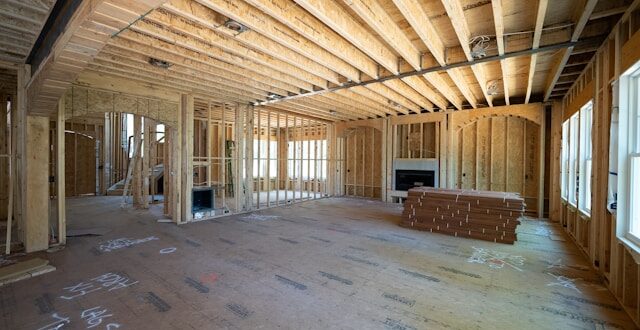
The measure, known as the 21st Century ROAD to Housing Act, represents one of the most significant federal housing packages enacted in decades.
The legislation seeks to increase the nation’s housing supply and improve affordability through a range of initiatives, including measures designed to encourage new construction and restrictions intended to limit purchases of certain single-family homes by institutional investors.
Supporters argue the bill addresses persistent housing shortages that have contributed to rising home prices across the country.
According to the National Association of Realtors, the median existing home price reached $440,660 in June, an increase of 1.8% from a year earlier.
White House reversal surprised Republicans
Trump’s decision not to sign the legislation surprised some congressional Republicans and members of his own administration.
The White House had previously scheduled a formal signing ceremony after Congress approved the bill. That event was abruptly canceled in late June without explanation.
Republican lawmakers had viewed the housing package as a significant legislative accomplishment heading into the November midterm elections, particularly as housing affordability remains a major concern for voters.
The president, however, has increasingly focused on the Save America Act, arguing Congress should prioritize election-related legislation before advancing other domestic policy initiatives.
Trump has repeatedly promoted the measure, claiming it enjoys overwhelming support among Republican voters.
Election bill remains stalled
The Save America Act has stalled in the Senate, where Republicans have been unable to secure enough support for passage.
Trump has expressed growing frustration with Senate Republicans over the delay and has used the housing bill as leverage to pressure lawmakers to act on his election agenda.
Despite withholding his signature, Trump’s decision not to issue a veto allows the housing legislation to take effect while signaling his dissatisfaction with congressional Republicans over the stalled voting bill.