Poli Alert Politics & Civics
Related Articles

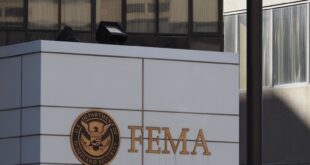
The Senate returns to Washington Monday after a five-week recess with a crowded legislative agenda and limited time to act before lawmakers leave Capitol Hill for the final stretch of the 2026 midterm campaign.
With Congress having already pushed the next major government funding fight into December, senators are expected to focus on several unresolved priorities, including cryptocurrency regulation, college athletics and the expired Section 702 surveillance authority.
The chamber’s schedule also includes nominations, work on the farm bill and growing pressure for Congress to address artificial intelligence.
Crypto Bill Faces Key Test
The Senate is scheduled to hold a procedural vote Tuesday on the Clarity Act, a major cryptocurrency bill that would establish a federal regulatory framework for digital assets.
Republican senators released revised legislation Sunday after more than a year of negotiations, adding dozens of changes as they seek bipartisan support. The bill needs 60 votes to advance.
The cryptocurrency industry and banking groups spent the five-week recess lobbying senators over the measure. Supporters argue that clearer federal rules would provide certainty for the digital-asset industry, while opponents have raised concerns about consumer protections, money laundering safeguards and the potential impact on traditional banks.
The vote will provide an early test of whether negotiators can turn months of bipartisan discussions into legislation that can advance before the midterms.
College Sports Bill Also in Focus
Senate Republicans also want to advance the Protect College Sports Act, bipartisan legislation addressing name, image and likeness rights, transfers, eligibility and other rules governing college athletics.
The measure has support from the White House and major athletic conferences, including the Big Ten and SEC. But it faces opposition from some lawmakers and advocacy groups.
The Congressional Black Caucus said last month that it could not support the legislation in its current form, arguing that negotiations had not adequately incorporated the perspectives of Black athletes, coaches, agents and historically Black colleges and universities.
The Senate is expected to consider the bill between Sept. 15 and Sept. 23, according to a Florida university board that has been tracking the legislation.
Section 702 Remains Unresolved
Another major issue is the expired Section 702 of the Foreign Intelligence Surveillance Act, which allows U.S. intelligence agencies to collect foreign intelligence without obtaining individual warrants.
The authority expired in June after lawmakers failed to reach agreement on an extension. A bipartisan deal had been negotiated, but concerns surrounding Trump’s selection of Bill Pulte to lead the Office of the Director of National Intelligence complicated the effort.
Lawmakers have not yet settled on a path to restore the surveillance authority, leaving reauthorization as another potential item on the Senate’s abbreviated fall agenda.
Farm Bill, Nominations and AI
Senators are also expected to continue work on the farm bill, which stalled in committee before the recess, and vote on a series of executive branch nominees.
Artificial intelligence is emerging as another issue competing for lawmakers’ attention. Recent warnings from technology executives and AI researchers about advanced systems have prompted bipartisan calls for federal safeguards.
Senate negotiators are considering legislation that could require advanced AI companies to take steps to mitigate major risks, including potential misuse involving biological or nuclear weapons. The negotiations remain ongoing, with the tight congressional calendar complicating efforts to reach a deal before the election.
House Democrats are also pressing for action on AI, while Speaker Mike Johnson has urged lawmakers to avoid rushing into a federal moratorium and has instead called for technology companies and policymakers to work together.
The House returned earlier this month but has since shortened its September schedule, leaving senators with limited time to move legislation before lawmakers turn their attention to the November elections.
For the Senate, the coming weeks will therefore be less about an expansive legislative agenda than deciding which unfinished priorities can actually clear the chamber before the campaign season takes over.