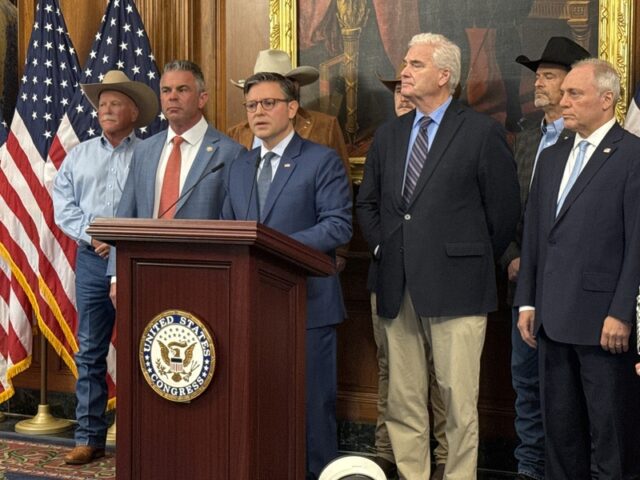
House Speaker Mike Johnson has announced he will not seek the position of House minority leader following the 2026 midterm elections, setting up a leadership transition for House Republicans.
The Louisiana Republican’s decision means the party will need to choose a new leader for the next Congress. The minority leader serves as the top representative of the party that does not control the House, coordinating legislative strategy, negotiations and the party’s response to the majority’s agenda.
Johnson became speaker in October 2023 after Republicans removed Kevin McCarthy and spent weeks trying to agree on a replacement. His time in the role included difficult spending negotiations and repeated disagreements within the Republican conference over legislation and government funding.
The political news that affects your wallet, your rights and your vote, broken down in plain language. Free in your inbox.
Choosing a new leader will give House Republicans an opportunity to decide how they want to organize their conference and approach the next session. The leadership contest could also affect how Republicans work with Democrats on legislation that requires support from both parties.
Johnson’s announcement concerns the leadership position, not necessarily his seat in Congress. Declining to run for minority leader does not by itself mean he is resigning from the House.
The next House Republican leader will face the task of bringing together lawmakers with different priorities while representing the party in negotiations with the Democratic leadership.
The decision also raises questions about how the Republican conference will respond to losing the power that comes with holding the speaker’s gavel. As speaker, Johnson could help decide which bills reached the House floor and when members would vote on them. A minority leader has a different job: building support for the party’s positions, coordinating members during votes and trying to influence legislation without controlling the chamber’s agenda.
House leadership elections are decided by lawmakers within their own party conferences. Republican members will have to choose someone who can communicate their priorities publicly while managing disagreements behind closed doors. The choice matters because the leader often becomes the party’s main voice in high-profile debates over federal spending, oversight and legislation.
The shift from majority to minority also changes how House Republicans can advance their proposals. Without enough votes to pass legislation on their own, they may need to negotiate with Democrats or focus on shaping public debate ahead of future elections. Committee assignments, floor strategy and relationships with Senate leaders will all be part of that work.
Johnson’s announcement is separate from the question of who will serve as speaker in the new Congress. The full House elects its speaker, while each party chooses its own conference leaders. A Republican minority leader would lead GOP lawmakers in the House, but would not hold the same authority Johnson exercised as speaker.
For now, the immediate issue is the Republican leadership transition. Lawmakers must decide who will represent their conference in the next Congress and how they will work together as the balance of power in Washington changes.