Poli Alert Politics & Civics
Related Articles


The Justice Department on Tuesday sued six additional states in its expanding effort to obtain detailed voter registration data, escalating a confrontation with state officials who say the Trump administration is overreaching and endangering voter privacy.
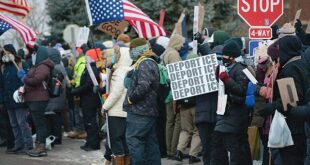
The latest lawsuits — filed against Delaware, Maryland, New Mexico, Rhode Island, Vermont and Washington — accuse the states of violating federal law by not turning over statewide voter lists. The department says the data collection campaign is designed to bolster election security, but Democratic officials and voting-rights advocates argue the requests go well beyond typical federal oversight and risk misuse of sensitive personal information.
With Tuesday’s filings, the Justice Department has sued at least 14 states after seeking voter rolls and related information from at least 26, according to an Associated Press tally. The requests have prompted growing alarm among state election administrators, who note that states hold constitutional authority over elections and that federal law tightly restricts how individual voter data can be shared.
DOJ says voter rolls are key to “accurate elections”
Assistant Attorney General Harmeet Dhillon, who leads the department’s Civil Rights Division, framed the lawsuits as necessary to maintain election integrity.
“Our federal elections laws ensure every American citizen may vote freely and fairly,” Dhillon said in a statement. “States that continue to defy federal voting laws interfere with our mission of ensuring that Americans have accurate voter lists as they go to the polls, that every vote counts equally, and that all voters have confidence in election results.”
The department’s requests vary by state but generally include questions about how voter registries are maintained, including how states remove duplicates or entries for deceased or ineligible voters. Some questions reference data from a recent federal survey by the U.S. Election Assistance Commission, citing what the department views as inconsistencies.
States push back: “Weaponization” and privacy concerns
Several states have responded by providing redacted versions of voter rolls — information that, in many cases, is publicly available already. But the department has also sought unredacted versions containing voters’ names, birth dates, addresses, driver’s license numbers and portions of Social Security numbers, igniting concerns about data security and political misuse.
Rhode Island Attorney General Peter Neronha called the lawsuit against his state “the latest example of the weaponization of the Department of Justice to further the Trump administration’s unlawful whims.”
“We stand with and will defend the secretary, and win, because lawsuits concerning lawful conduct are largely unsuccessful,” Neronha said. “But I’m not surprised that this administration is confused about what it means to behave lawfully.”
A shifting role for the federal government in elections
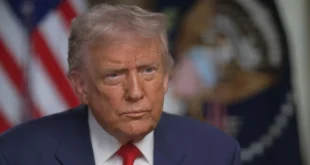
The sweeping requests reflect a significant transformation in the Justice Department’s role in election administration under President Donald Trump, who continues to amplify false claims about the 2020 election and has sought new leverage over state election systems ahead of the 2026 midterms.
The effort also comes as voting rights groups sue the administration over updates to a federal citizenship-verification tool, arguing that changes could lead to eligible voters mistakenly being purged from registration lists.
Last month, 10 Democratic secretaries of state demanded more transparency from federal officials, saying the administration has given conflicting explanations about how the voter data would be used and whether agencies are feeding information into databases designed to flag possible noncitizens.
What comes next
The newly filed lawsuits are expected to fuel a legal showdown over the boundaries of federal power in elections — an area traditionally dominated by the states. Several states have signaled they will fight the cases aggressively, setting up a potential months-long battle that could influence how voter rolls are maintained heading into 2026.
The Justice Department has not publicly explained how it plans to store, secure or use any unredacted data it receives.