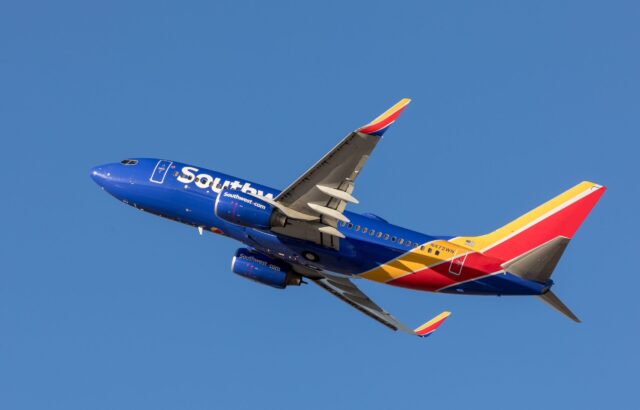
The FAA lifted the ground stop at approximately 8:15 p.m. Eastern on November 13, allowing airlines to begin restoring operations after a shutdown that lasted more than four hours. However, the decision to reopen the nation’s airspace did not immediately resolve the disruptions caused by the emergency.
Transportation Secretary Sean Duffy confirmed that flight operations had resumed, while warning that travelers could continue experiencing delays as airlines worked to reposition aircraft, restore flight crews and accommodate passengers affected by the shutdown.
The disruption began when problems involving the FAA’s telecommunications infrastructure interfered with air traffic control operations. The agency issued a nationwide ground stop, temporarily preventing departing aircraft from taking off while officials assessed the failure and worked to restore communications.
The political news that affects your wallet, your rights and your vote, broken down in plain language. Free in your inbox.
A ground stop is an FAA order that temporarily prevents certain aircraft from departing. It is used when conditions make it unsafe or impractical for air traffic controllers to manage additional flights.
Unlike an airport-specific ground stop caused by severe weather or congestion, Friday’s disruption affected the national aviation system, creating problems for airlines operating flights across multiple regions.
Even after the FAA authorized departures to resume, airlines faced the challenge of rebuilding schedules that had been interrupted for hours. Aircraft that were supposed to arrive at one airport were still sitting at another, while flight crews faced potential scheduling and federally mandated work-hour restrictions.
These complications can cause delays to spread throughout an airline’s network, affecting passengers whose flights were not originally scheduled during the ground stop.
The shutdown also raised questions about the reliability of the nation’s aging air traffic control infrastructure.
Federal officials attributed the disruption to problems involving telecommunications technology used by the FAA. Homeland Security Secretary Markwayne Mullin said investigators had found no evidence indicating that the incident resulted from a cyberattack.
That assessment did not establish the precise technical cause of the failure, which remained a subject of investigation.
The incident renewed attention on longstanding concerns about outdated equipment and the need to modernize the systems that air traffic controllers depend on to safely coordinate aircraft movements.
For travelers, the reopening of U.S. airspace means flights can resume, but it does not guarantee that individual departures will operate on time.
Passengers whose flights were canceled are generally entitled to a refund if they choose not to accept alternative transportation, even when the cancellation results from circumstances outside an airline’s control. Under Department of Transportation rules, that protection applies to eligible nonrefundable tickets as well.
Travelers experiencing significant schedule changes may also qualify for refunds if they decline the revised itinerary. However, airlines are not automatically required to provide cash compensation for every delay, and additional assistance depends on the circumstances and the airline’s commitments.
Passengers should check directly with their airlines before traveling to the airport, particularly if they have connecting flights or are scheduled to depart early Saturday.
The FAA’s decision to lift the ground stop marks the restoration of national flight departures, but airlines could need additional time to return to normal operations. Federal officials are expected to face questions about what caused the communications failure, why it affected the aviation system so extensively and what steps will be taken to prevent another nationwide shutdown.