Poli Alert Politics & Civics
Related Articles



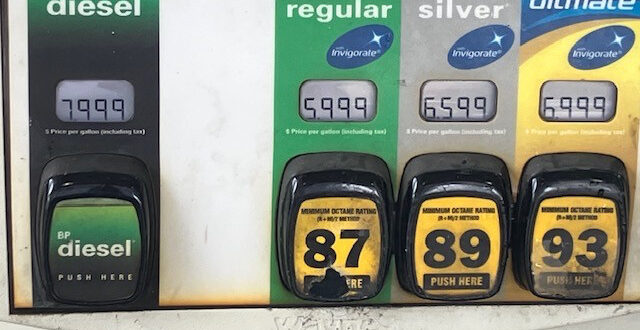
The average U.S. price for a gallon of diesel has climbed to about $6.43, near a record high, as disruptions tied to the war with Iran and attacks on energy infrastructure tighten global fuel supplies.
The surge is adding pressure to businesses and households already facing higher energy costs, with transportation, food, heating and other expenses potentially rising as companies absorb more expensive fuel.
Gasoline prices are also elevated. The national average for regular gasoline stood at about $4.47 a gallon Friday, according to GasBuddy, roughly $1.53 higher than when the U.S.-Iran war began.
Oil Remains Above $100
Crude prices remained above $100 a barrel Friday despite a modest retreat.
Brent crude, the global benchmark, was trading around $104.49 a barrel, while U.S. West Texas Intermediate was about $102.79, according to Reuters. Oil markets have remained volatile as the Strait of Hormuz continues to face disruptions and attacks on Saudi energy infrastructure threaten additional supplies.
The Strait of Hormuz is a major route for global oil shipments, making prolonged disruptions there particularly significant for fuel markets.
Diesel supplies have also been affected by disruptions involving Russian refineries and tighter fuel markets in Europe, adding to pressure on prices.
Higher Fuel Costs Could Reach Consumers
Diesel is widely used to move freight by truck, rail and other forms of transportation. Higher diesel prices therefore increase the cost of moving goods from producers and wholesalers to stores.
Companies may absorb some of those expenses, but some could eventually be passed on to consumers through higher prices for food, household goods and other products.
The effect on any individual product may be relatively small, but economists have warned that broad increases in transportation and energy costs can add to inflation when they occur across the economy.
The latest government data show the Consumer Price Index rose 3.4% over the year through August, while the energy index jumped 16.3%. Gasoline prices increased 27.4% over the same period, and fuel oil prices rose 52%.
Heating Costs Face Another Increase
The fuel-price surge is also raising concerns about winter heating bills.
The National Energy Assistance Directors Association estimates U.S. households will spend an average of $1,030 to heat their homes this winter, an 8.7% increase from last year.
Households that rely on heating oil face an even sharper increase, according to NEADA’s analysis, making the impact of higher crude and refined-fuel prices particularly significant in parts of the Northeast.
Fed Raises Rates as Inflation Stays Elevated
The increase in energy prices comes as the Federal Reserve is taking steps to prevent inflation from spreading more broadly through the economy.
On Wednesday, the Fed raised its benchmark interest-rate target by a quarter percentage point to 3.75% to 4%, its first rate increase in three years. The central bank said inflation remains elevated and that the move was intended to support a return to its 2% inflation goal.
Higher interest rates cannot directly lower the price of crude oil or gasoline. Instead, the Fed’s concern is that a temporary energy shock could spread into broader prices and become more persistent.
With diesel at record levels and crude remaining above $100 a barrel, the fuel shock is creating another challenge for consumers, businesses and policymakers already dealing with elevated inflation.