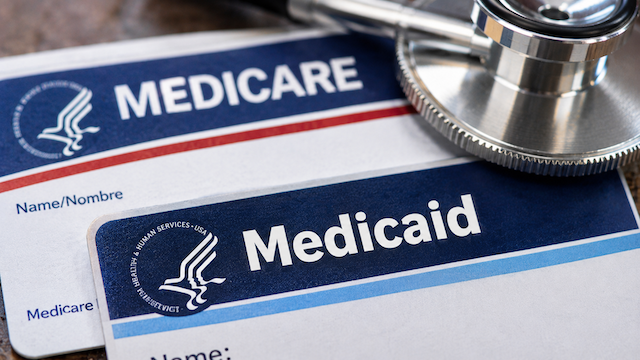
The Centers for Medicare and Medicaid Services, the federal agency that runs Medicare, Medicaid and the Affordable Care Act marketplace, proposed a sweeping new Medicaid fraud rule on Monday that also reaches Medicare and the marketplace, tightening who can bill the programs, adding federal audits of who qualifies for Medicaid and making it easier to remove insurance agents and brokers.
The agency calls it the Comprehensive Regulations to Uncover Suspicious Healthcare rule, or CRUSH. CMS estimates it would cut federal spending by nearly $90 billion from 2027 through 2036, at a cost of about $378.5 million over the same period. It is a proposal, not a final rule. The public can comment for 60 days after it is formally published in the Federal Register, and the American Hospital Association expects comments to be due on or around January 18, 2027. CMS said the rule carries out a June 2025 presidential memorandum on Medicaid fraud and an executive order that created a White House task force on fraud, and it plans to issue a rule like this every year.
For Medicaid, the joint federal and state health program for people with low incomes, the biggest change for enrollees is how eligibility gets checked. The Medicaid fraud rule would replace the current quality control program with federally overseen audits of whether people enrolled in Medicaid actually qualify, and states could have federal funding disallowed when error rates top a 3 percent threshold and the state has not shown good faith efforts to fix them. CMS says the audits should not affect enrollees’ access to care. Medicaid managed care plans, the private companies many states pay to run Medicaid coverage, would have to report enrollee deaths or moves out of state within 30 days and return payments made for those people. States would also have to use electronic visit verification, the system that logs when home health and personal care workers show up for a visit, to review claims before paying them.
The political news that affects your wallet, your rights and your vote, broken down in plain language. Free in your inbox.
Doctors, medical suppliers and other providers would face tighter rules. Medicare providers would have 30 days, instead of 90 for most changes, to report updates to their enrollment information, and CMS could deny or revoke enrollment when an owner or manager’s identity cannot be confirmed. Providers removed from Medicare for felony convictions or abusive billing could also be barred from Medicaid and the Children’s Health Insurance Program, so they cannot simply bill those programs instead. Companies that sell medical equipment such as wheelchairs and oxygen supplies would be barred from contacting patients uninvited by text, social media message, email without a way to opt out, or door to door visit, adding to existing limits on phone calls.
Private Medicare Advantage plans would have to report suspected fraud, which is voluntary now; CMS says only 46 percent of plan contracts reported in 2025. Doctors and suppliers who bill Medicare Advantage plans would have to be enrolled in traditional Medicare, which involves identity checks, license reviews, site visits and fingerprint background checks, starting with the plan year that begins two years after the rule is final. CMS also wants to extend its audits of payments to Medicare Advantage companies, which it estimates would recover about $9 billion a year in overpayments on average.
In the ACA marketplace, where people buy health plans on their own, CMS could bar agents and brokers with certain felony convictions or a record of fraud. It could suspend them for up to 90 days based on a credible allegation of conduct that may harm consumers, give them 30 days to respond, and terminate them even if they fix the problem. Agents and brokers would also be barred from logging into marketplace systems from outside the United States, including through a VPN, a tool that routes internet traffic through another location.
CMS is also asking for public input on whether union dues are being taken out of Medicaid payments to home care and other workers without their consent, saying it has received reports that this has happened.
Nothing in the Medicaid fraud rule takes effect until CMS reviews the comments and publishes a final version. Hospitals, home health agencies, health plans and state Medicaid programs are now studying the proposal, and the agency has asked commenters to weigh in on whether its cost and savings estimates are accurate.