

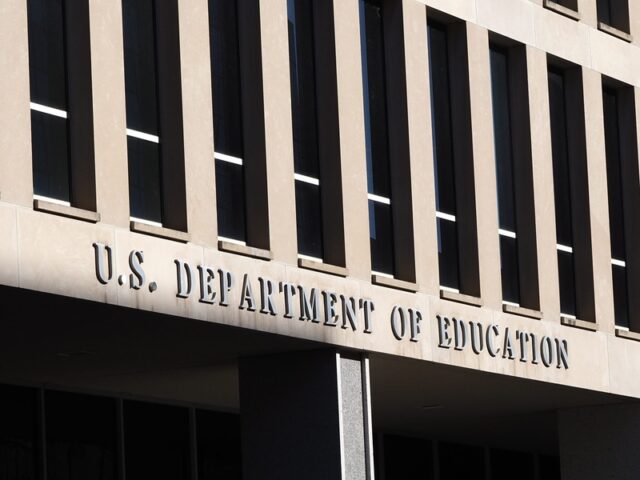
A federal judge in Washington has refused to stop the Education Department from moving borrowers off the SAVE plan, clearing the way for federal student loan borrowers who do not pick a new plan to be placed on repayment plans that can cost more each month. The U.S. District Court for the District of Columbia denied the borrowers’ request for a preliminary injunction, an early court order that would have paused the changes while the lawsuit continues, in a ruling filed Nov 18.
The SAVE plan, short for Saving on a Valuable Education, was an income driven repayment plan created under the Biden administration that tied monthly payments to a borrower’s income and family size. Courts blocked it in 2024 after Republican led states sued, and borrowers enrolled in it were put in forbearance, a pause on payments. Congress voted in 2025, as part of the tax and spending law Trump signed, to end the plan, and a federal court in Missouri threw out the SAVE rule on March 10, 2026.
On March 27, the Education Department said it would begin sending notices on July 1 telling SAVE plan borrowers to choose a new repayment plan within 90 days. Borrowers who miss the deadline can be moved to a standard repayment plan, which sets payments by the size of the loan rather than by income.
The political news that affects your wallet, your rights and your vote, broken down in plain language. Free in your inbox.
Four borrowers, led by Heather Havens, sued. They argued the department should let SAVE plan borrowers enroll in an older income based plan called REPAYE, which they said was never formally repealed through the federal rulemaking process. They called the department’s approach a “shadow repeal.” Some also argued they will owe taxes on loan forgiveness that would have been tax free if their loans had been discharged sooner.
The court rejected both arguments at this early stage. It found that the borrowers “lack standing concerning the taxability of their loan discharges,” meaning they had not shown a legal right to bring that claim, in part because the IRS, not the Education Department, decides what counts as taxable income. On their other complaints, the court said the borrowers “fail to show irreparable harm,” the kind of damage that cannot be fixed later. Court records show the monthly payment increases the borrowers described ranged from $14 to $196, and the department disputed the largest figure.
The ruling does not end the case. The department has asked the court to dismiss the lawsuit, and the judge has not yet ruled on that request.
For now, SAVE plan borrowers who have received a 90 day notice or a 30 day final notice face being moved if they do not choose another plan. Forbes reported on Nov 17 that many borrowers whose deadlines have already passed say their loans have not changed yet. State student loan ombudspersons, the officials who help residents with loan problems, called in September for a pause on the transitions.
Borrowers can check their notices, their current plan and their repayment options on the Education Department’s Federal Student Aid website or with their loan servicer.