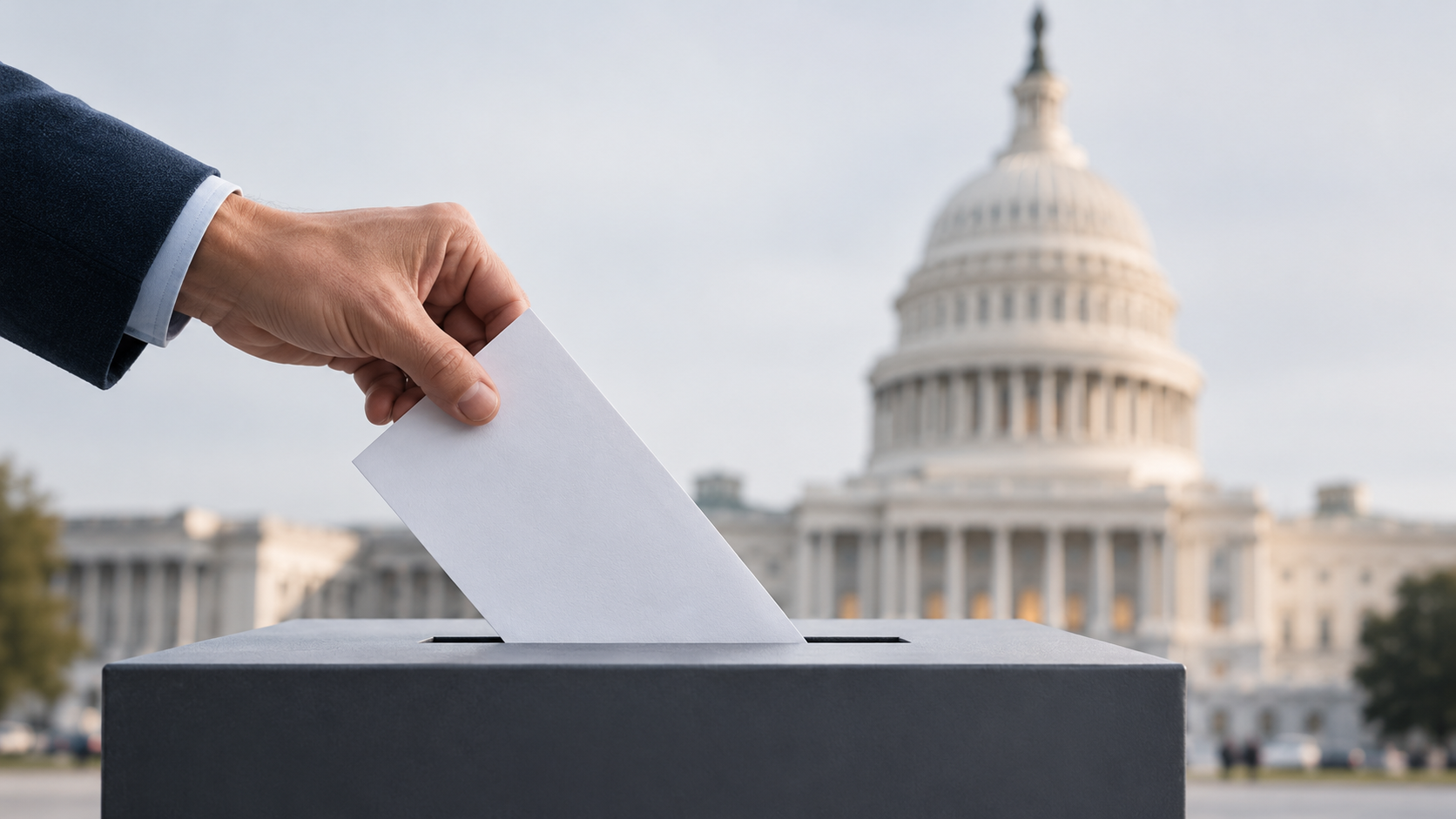
A midterm election is a national election held halfway through a president’s four year term, and it decides who controls Congress, who runs most state governments and which questions become law in cities and states across the country.
The president is elected every four years, and the midterm election falls in the middle, two years later. Every seat in the U.S. House of Representatives is on the ballot in a midterm election, because House members serve two year terms. About one third of the 100 seats in the U.S. Senate are also up, because senators serve six year terms that are staggered so the whole chamber is never elected at once. Special elections to fill a vacant seat can add a few more.
Most states also elect governors in midterm years, along with state legislators, attorneys general, secretaries of state and other officials. Many cities and counties pick mayors, sheriffs, judges and school board members at the same time. Voters in many states also decide ballot measures, which are questions placed directly before voters, such as a proposed change to the state constitution or a new law.
Control of Congress is the biggest prize. Congress writes federal laws, sets the federal budget and oversees the executive branch, which is the part of government led by the president. The party with the most seats in each chamber, called the majority, picks that chamber’s leaders, including the Speaker of the House, and chairs every committee. Committees decide which bills move forward, hold hearings and can issue subpoenas, which are legal orders to hand over documents or testify. The House can impeach, meaning formally charge, a president or other federal official, and the Senate holds the trial. The Senate also confirms federal judges and cabinet members.
The 2018 midterm election shows how much a single result can change. Democrats won enough seats to take control of the House, and Nancy Pelosi became Speaker. That gave Democrats the power to open investigations and block bills in the House even though Republicans still held the Senate and the White House. In 2022, the House changed hands again when Republicans won a narrow majority and Kevin McCarthy became Speaker. In most midterm elections, the president’s party has lost seats in the House.
What happens at the state and local level reaches daily life just as directly. Governors and state legislatures set many of the rules on school funding, Medicaid, how elections are run and what penalties apply to crimes. In many states, the legislature and governor also shape the district maps used to elect members of Congress. Mayors, county officials and school boards decide how police are overseen, how schools are run and how local money is spent.
Congress decides things that show up in a household budget, including federal student loan rules, taxes and funding for programs such as SNAP and Medicare. Each midterm election determines who writes those rules for the next two years. A voter who skips a midterm election still lives under the laws it produces.
Every voter’s ballot is different, because it depends on where they live. Voters can find their own ballot, polling place and deadlines through their state or local election office.