 Poli Alert Politics & Civics
Related Articles



The first major changes to SNAP and Medicaid under President Donald Trump’s 2025 reconciliation law begin taking effect this week, shifting more costs to states and narrowing Medicaid eligibility for some lawfully present immigrants.
The changes are part of the One Big Beautiful Bill Act, which Republicans passed last year over unified Democratic opposition. The law’s most consequential reductions will unfold gradually, with many of the largest Medicaid changes not taking effect until 2027 and beyond.
That timeline means the financial and health-care effects of the law will build over years rather than arriving as a single sweeping cut.
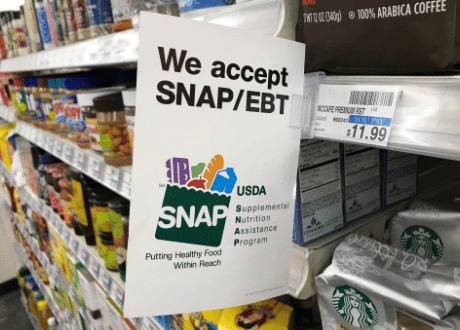
SNAP costs shift to states
Beginning Oct. 1, the federal government’s share of states’ administrative costs for running SNAP will fall from 50% to 25%. States will have to absorb the remaining 75%.
The change does not directly reduce the amount of food assistance loaded onto a recipient’s EBT card. But it could put additional pressure on state budgets and SNAP agencies that handle applications, eligibility determinations, fraud prevention and benefit administration.
The law also changes SNAP work requirements and eligibility rules. CBO estimates those changes, combined with other SNAP provisions in the law, will reduce federal SNAP spending by about $187 billion over 2025–34.
How states respond to the higher administrative costs could determine how quickly some families feel the effects. Reductions in staffing or administrative capacity could make it harder for applicants to enroll or maintain benefits, although the effects will vary by state.
Medicaid restrictions begin for some immigrants
Another change taking effect Oct. 1 will restrict federally funded Medicaid and CHIP eligibility for many lawfully present immigrants.
Under the new rules, federally funded coverage will generally remain available to lawful permanent residents, certain Cuban and Haitian entrants, people from countries covered by the Compacts of Free Association and certain lawfully residing children and pregnant people in states that provide coverage under existing options. Many other lawfully present immigrants, including some refugees and asylees without green cards, will no longer qualify for federally funded Medicaid.
States can choose to use their own money to maintain coverage for people who lose federal eligibility, but that decision will depend on state policy and available funding.
The changes also require states to review potentially affected enrollees and verify immigration status, creating additional administrative work and the possibility of coverage losses caused by paperwork and verification problems.
Bigger Medicaid changes are still coming
The most significant Medicaid changes are not arriving this week.
Starting Jan. 1, 2027, 44 states and the District of Columbia will be required to impose work or community-engagement requirements on certain adults covered through the ACA Medicaid expansion and specified waiver programs. States will also begin conducting more frequent eligibility renewals for expansion enrollees.
CBO estimates the Medicaid changes in the law will increase the number of uninsured Americans by 7.5 million in 2034. The agency also projects that the law will reduce Medicaid enrollment by roughly 12.9 million people by that year, including people who remain technically eligible but may lose coverage because of changes to enrollment and verification procedures.
The law’s effects on SNAP are similarly phased in, with additional changes to state responsibility for SNAP costs scheduled for later years.
The political consequences may arrive before the cuts do
The staggered implementation creates an unusual political dynamic.
Many of the law’s most consequential changes will not be fully felt before the 2026 midterm elections. States will spend the next several years changing eligibility systems, enforcing new requirements and absorbing additional costs.
That could make it difficult for voters to connect future losses of coverage or food assistance directly to the legislation that created them.
Republicans have emphasized the law’s tax cuts and other provisions while defending the changes to safety-net programs as necessary to reduce federal spending and encourage work.
Democrats have argued that the law shifts costs onto states and threatens access to health care and food assistance for millions of Americans.
CBO’s analysis found that the law would reduce resources for households toward the bottom of the income distribution while increasing resources for households in the middle and toward the top.
The result is a safety-net overhaul whose consequences will emerge incrementally: first through higher state administrative costs and narrower eligibility for some immigrants, then through work requirements, more frequent eligibility checks and additional reductions in federal Medicaid and SNAP spending.
For millions of Americans who rely on those programs, the biggest changes are still ahead.

