Poli Alert Politics & Civics
Related Articles
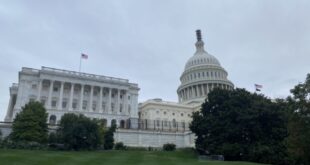


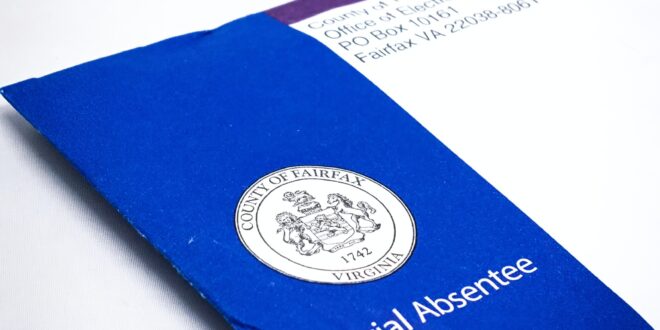
The Supreme Court on Monday rejected the Trump administration’s request to revive new U.S. Postal Service restrictions on mail-in ballots, leaving the rules blocked as states prepare to conduct the November midterm elections.
In a brief order in U.S. Postal Service v. California, the justices denied the administration’s emergency request to lift a federal injunction issued by U.S. District Judge Indira Talwani in Massachusetts. The ruling means USPS cannot enforce the new requirements while the broader legal challenge continues. Justice Samuel Alito, joined by Justice Clarence Thomas, dissented.
The decision comes as states have already begun distributing mail ballots and prepares the way for another federal judge’s ruling Sunday that separately blocked the same USPS rule.
What the USPS Rule Would Have Required
The rule, adopted in late August after Trump issued an executive order directing USPS to change its handling of election mail, would require states to meet new federal standards before ballots could be mailed.
States would have to submit ballot-envelope designs to USPS for approval, use voter-specific barcodes and upload information about voters receiving mail ballots to a Postal Service portal. USPS could reject mailings that failed to comply with the new requirements.
The administration argued the changes were intended to prevent election fraud and protect the mail from being used improperly. But voting-rights groups and states challenged the rule, arguing that USPS lacked authority to impose key election requirements and that the changes came too close to the election to be implemented without disrupting legitimate ballots.
Supreme Court Leaves Injunction in Place
Talwani blocked the rule Sept. 4, concluding that the administration was unlikely to prevail in its challenge to her injunction and that implementing the requirements so close to the election posed serious problems. The 1st U.S. Circuit Court of Appeals later declined to suspend her order.
In Monday’s Supreme Court order, the justices said the administration was unlikely to succeed on its challenge to the injunction and that the factors governing emergency relief did not favor lifting it.
Justice Brett Kavanaugh wrote separately that he believed there was “at least a fair prospect” that USPS had statutory authority for some aspects of the rule. But he agreed the rule could not be applied in the 2026 election because state and local election officials did not have enough time to implement it reasonably.
Alito disagreed, arguing that the administration had made the necessary showing for emergency relief and was likely to succeed on the merits.
Mail Voting Continues Under Existing Rules
The ruling leaves existing state mail-voting procedures in place for now. All 50 states allow some form of voting by mail, while 29 allow voters to request a mail ballot without providing a reason and eight conduct elections entirely by mail, according to Reuters.
Mail voting has already begun in some states, with additional states scheduled to send ballots in the coming weeks. That timing was central to the courts’ concerns about imposing new federal requirements immediately before the election.
The administration’s broader challenge to the USPS rule can continue, meaning Monday’s decision does not necessarily resolve every legal question surrounding the Postal Service’s authority. But the new restrictions will remain blocked as the 2026 election approaches.