

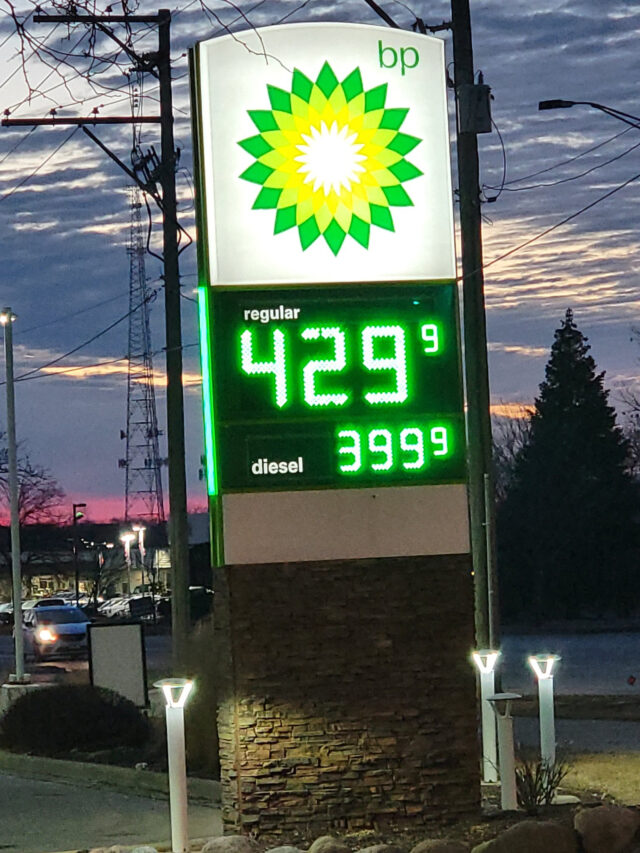
The national average price for gasoline climbed above $4 a gallon Monday for the first time in more than a month as renewed fighting between the United States and Iran pushed oil prices higher and raised concerns about global energy supplies.
According to AAA, the national average reached $4.003 per gallon, ending several weeks of declining prices following a temporary easing of tensions between Washington and Tehran. Diesel prices also increased, averaging $5.11 per gallon, a development that could drive up transportation and shipping costs for businesses.
The increase comes as the U.S. and Iran continue exchanging military strikes, renewing fears that the conflict could disrupt oil shipments through the Strait of Hormuz, one of the world’s most important energy transit routes.
Oil prices also rose Monday. Brent crude, the international benchmark, climbed 3.2% to $90.95 per barrel, while U.S. West Texas Intermediate crude gained 2.8% to $84.04 per barrel, according to market data.
Fuel prices had surged earlier this year after fighting between the two countries began in late February, with the national average reaching approximately $4.56 per gallon in May. Prices later eased after diplomatic negotiations produced an interim agreement in June, helping stabilize global energy markets.
That relief has faded as military operations resumed in recent weeks, sending crude prices upward and increasing pressure on consumers.
While the national average has crossed the $4 threshold, motorists are paying significantly different prices depending on where they live. Drivers in several states continue to pay well above the national average, while others remain below it.
Rising fuel costs also threaten to increase prices beyond the gas pump. Higher diesel prices typically raise transportation expenses for trucking companies, which can translate into higher costs for groceries, consumer goods and other products delivered nationwide.
The return of $4 gasoline also arrives as lawmakers prepare for the upcoming midterm elections, where inflation and household expenses remain major issues for voters.
A Gallup poll released last month found that roughly two-thirds of Americans said higher fuel costs have created financial hardship for their households, underscoring the political sensitivity of rising energy prices.
Analysts say gasoline prices will likely remain tied to developments in the Middle East, with any further escalation between the U.S. and Iran—or disruption to oil exports—capable of pushing prices even higher.