Poli Alert Politics & Civics
Related Articles


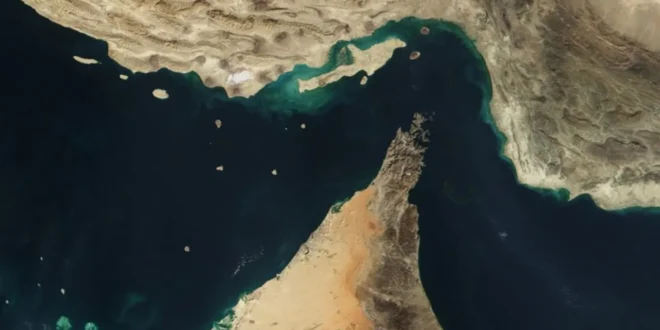
Ship traffic through the Strait of Hormuz remained sharply reduced Thursday despite a ceasefire between the United States and Iran, underscoring lingering uncertainty over access to one of the world’s most critical energy corridors.
Only a handful of vessels have transited the waterway since the truce was announced. Data from maritime tracking firms showed between five and nine ships passed through in the first 24 hours — far below the prewar average of more than 100 daily crossings.
The slowdown highlights a gap between conditions on the ground and demands from President Donald Trump, who had called for a “total reopening” of the strait as part of ceasefire negotiations.
Oil markets reacted to the uncertainty, with prices climbing back above $100 per barrel after initial optimism about the truce faded.
Restricted access and safety concerns
Despite the ceasefire, shipping companies remain cautious about entering the waterway, which connects the Persian Gulf to the Gulf of Oman and carries roughly 20% of the world’s oil and natural gas supply.
During the conflict, Iran targeted vessels it viewed as linked to the U.S. or Israel, effectively choking off traffic through the route. Industry officials say ships waiting in the Gulf are eager to leave but are awaiting clearer guidance from both Washington and Tehran.
Iran has indicated that vessels may need approval to transit and has floated the possibility of charging fees — a proposal that has alarmed shipping groups and foreign governments.
Adding to the uncertainty, Iranian officials released guidance suggesting designated shipping lanes near Iranian territory and warning that large portions of the strait could be hazardous, raising concerns about mines or other threats.
Conflicting signals from global powers
The mixed messaging has created friction among international stakeholders. While U.S. officials have at times suggested the strait is reopening, leaders in the Gulf region dispute that characterization.
Energy-dependent economies have pushed for clarity and unrestricted access, warning that continued disruption could have global consequences.
European officials are exploring a potential naval escort mission to protect commercial shipping once conditions stabilize, though details remain unclear.
Legal and geopolitical questions
Iran’s suggestion of a “toll” system for passage through the strait has raised legal questions under international maritime law. Experts warn that charging transit fees could set a precedent that challenges long-standing norms of free navigation.
The situation is further complicated by overlapping territorial waters involving Oman, which generally supports unrestricted transit under international agreements.
For now, shipping companies remain in limbo, unsure whether they may face fees, security risks or potential violations of sanctions if they attempt to pass through.
Uncertain outlook for global trade
The continued disruption has left vessels stranded and crews waiting for safe passage, with many reluctant to move until clearer rules are established.
As negotiations continue and the ceasefire holds tenuously, the pace of traffic through the strait is expected to remain limited — a sign that the global shipping industry is far from returning to normal operations.