 Poli Alert Politics & Civics
Related Articles


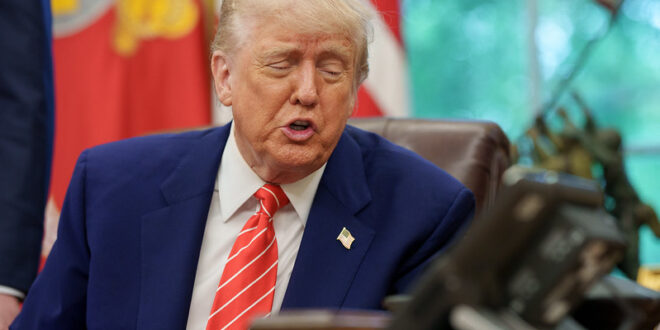
President Donald Trump said Monday the United States will pause “any and all military strikes” against Iranian energy infrastructure for five days as Washington and Iran engage in renewed diplomatic talks.
In a social media post, Trump said recent discussions between the two sides had been “very good and productive,” adding that the pause in planned strikes was a direct result of “in depth, detailed, and constructive conversations.” He said negotiations would continue throughout the week.
Diplomatic Opening Emerges
The temporary halt suggests a possible off-ramp in the conflict, which has intensified in recent weeks and strained relations between the U.S. and key allies in the Middle East and Europe.
Just days earlier, Trump had threatened major strikes on Iranian energy infrastructure if Tehran did not fully reopen the Strait of Hormuz, a vital global oil transit route.
The status of the strait has become central to U.S. strategy, with disruptions to shipping driving global energy prices higher and raising concerns about economic fallout.
Allies and Global Pressure
The pause comes amid growing unease among U.S. allies. United Nations Secretary-General António Guterres warned that attacks on energy infrastructure could risk violating international law, while U.S. officials have pressed allied nations to take a more active role in securing maritime routes.
U.S. Ambassador to the United Nations Mike Waltz said Sunday that allied support is beginning to solidify.
Military Posture Remains Intact
Despite the pause on energy-related strikes, the U.S. maintains a significant military presence in the region, including aircraft carriers, bombers and thousands of Marines positioned for potential operations.
Recent planning has included contingencies involving Kharg Island, a key hub for Iran’s oil exports, as well as efforts to secure shipping lanes in the Persian Gulf.
The conflict has increasingly shifted toward ensuring safe passage through the Strait of Hormuz, where Iranian naval capabilities — including fast attack boats and sea mines — continue to pose a threat.
Economic Pressures Mount
The disruption of shipping through the strait has driven oil prices near $100 per barrel, contributing to rising fuel costs globally. Trump’s announcement of a pause in strikes initially sent prices lower in early trading.
In parallel, the administration has taken steps to ease supply constraints. Treasury Secretary Scott Bessent recently authorized limited sanctions relief allowing certain Iranian oil shipments already at sea to be sold, a move aimed at stabilizing markets.
Strategic Calculations
The administration’s evolving approach reflects a balancing act between military pressure and economic stability. While earlier phases of the conflict focused on degrading Iran’s missile and drone capabilities, the immediate priority has shifted toward reopening critical shipping lanes and preventing further escalation.
A former U.S. defense official said the prolonged closure of the Strait of Hormuz underscores the strategic challenge facing Washington, warning that delays in restoring maritime access could have lasting global consequences.
What Comes Next
It remains unclear whether the five-day pause will lead to a broader ceasefire or longer-term agreement. Trump has previously expressed skepticism about formal ceasefires, even as he signaled openness to negotiations.
The coming days of talks are expected to determine whether the current pause becomes a turning point in the conflict — or a temporary reprieve in a still-escalating war.

