 Poli Alert Politics & Civics
Related Articles


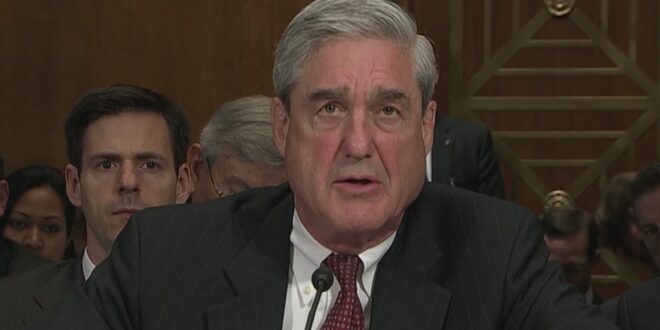
Robert Mueller, the former FBI director whose investigation into Russian interference in the 2016 election dominated American politics for nearly two years, died Friday night, his family said. He was 81.
Mueller had been diagnosed with Parkinson’s disease in 2021, his family disclosed in 2025, and had stepped away from teaching and legal work as his health declined.
Defining Role in Trump Era
Mueller became a central figure during the presidency of Donald Trump when he was appointed special counsel in 2017 to investigate Russian interference in the 2016 election and any links to Trump’s campaign.
Over nearly two years, the investigation gripped Washington and the nation, culminating in the release of the Mueller Report. The report found extensive Russian interference but did not establish a criminal conspiracy between the Trump campaign and Moscow.
On obstruction of justice, Mueller outlined evidence of potential wrongdoing but stopped short of charging Trump, citing longstanding Justice Department policy that a sitting president cannot be indicted.
“If we had confidence after a thorough investigation that the president clearly did not commit obstruction of justice, we would so state,” Mueller wrote. “While this report does not conclude that the president committed a crime, it also does not exonerate him.”
Long Career in Public Service
Before his role as special counsel, Mueller built a decades-long career in law enforcement and national security.
He served in the United States Marine Corps during the Vietnam War, earning a Bronze Star and Purple Heart. He later worked as a federal prosecutor, taking on organized crime and international cases, including the prosecution of Panamanian leader Manuel Noriega and efforts tied to the Pan Am Flight 103 bombing.
In 2001, President George W. Bush appointed Mueller as FBI director. Confirmed by a 98-0 Senate vote, he took office just one week before the September 11 attacks, an event that reshaped the bureau’s mission.
Mueller went on to lead the Federal Bureau of Investigation for 12 years, one of the longest tenures in its history. His term was extended by President Barack Obama, who praised his leadership during a period defined by counterterrorism challenges.
Reputation for Discipline and Integrity
Known for his reserved demeanor and strict adherence to process, Mueller avoided the political spotlight even as his investigation became a focal point of partisan conflict.
Supporters viewed him as a symbol of institutional integrity, while critics — including Trump — frequently attacked the investigation as politically motivated.
Despite intense public pressure, Mueller largely declined to engage in public disputes, earning a reputation as what one biographer described as “a master of silence.”
After the Special Counsel Probe
Following the conclusion of his investigation in 2019, Mueller largely withdrew from public life, occasionally defending his work, including in a 2020 opinion essay emphasizing the importance of documenting Russian interference.
“The work of the special counsel’s office — its reports, indictments, guilty pleas and convictions — should speak for itself,” he wrote.
What Endures
Mueller’s legacy remains closely tied to the investigation that bore his name — a probe that left lasting questions about presidential power, accountability and foreign interference in U.S. elections.
His findings, and the debates they sparked, continue to shape political and legal discourse years after their release.

