

The number of lawmakers retiring from the House of Representatives ahead of the 2026 elections has climbed to the second-highest level since recordkeeping began nearly a century ago, reflecting an unusually high turnover in Congress as both parties prepare for a competitive election cycle.
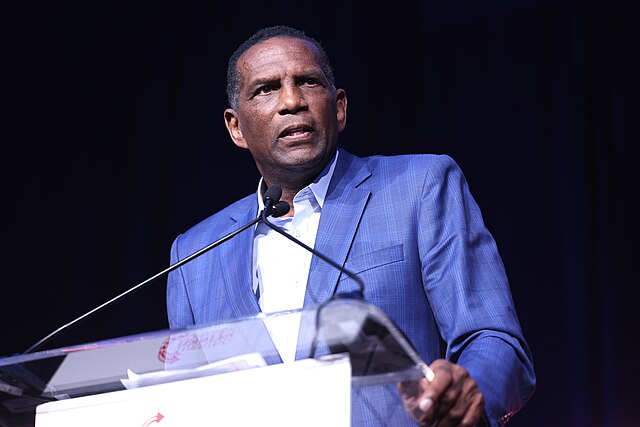
A total of 53 House members have announced they will not seek reelection, surpassing the 52 retirements recorded during the 2018 midterm cycle. The latest to announce his departure is Burgess Owens, a Republican from Utah, who confirmed he will not run for another term.
Of the lawmakers stepping aside, 32 are Republicans and 21 are Democrats, mirroring the partisan imbalance seen in 2018 when a larger number of GOP members left the chamber.
Despite the high number of departures, Republican strategists argue that the trend does not necessarily signal political trouble for the party. Many GOP lawmakers leaving the House are instead pursuing higher office, including bids for governor or the U.S. Senate, suggesting they see opportunities rather than a difficult political environment.
Turnover approaching historic levels
While the 2026 cycle is already notable for the wave of retirements, it still falls short of the modern record. The largest exodus occurred in 1992, when 65 House members retired, according to historical data compiled by the Brookings Institution through its long-running Vital Statistics on Congress project.
The churn extends beyond the House. Across both chambers, retirements are running at their highest levels this century.
Ten senators have already announced they will not seek reelection in 2026, the largest number of Senate retirements in a single cycle since 2000.
Among the most recent departures is Steve Daines, a Republican from Montana, who said Wednesday that he will not run for a third term.
Narrow majorities raise stakes
The unusually large number of open seats could have significant implications for control of Congress.
Republicans currently hold a narrow 218–214 majority in the House, leaving little margin for error in competitive districts where retirements often make races more unpredictable.
In the Senate, Republicans maintain a 53–47 advantage, meaning even a small shift in a handful of seats could alter the balance of power.
Open-seat races are typically among the most competitive contests in congressional elections because they lack an incumbent advantage, forcing both parties to invest heavily in candidate recruitment and campaign spending.
With dozens of lawmakers stepping aside and control of both chambers at stake, the 2026 elections are expected to produce one of the most consequential congressional reshuffles in years.