 Poli Alert Politics & Civics
Related Articles



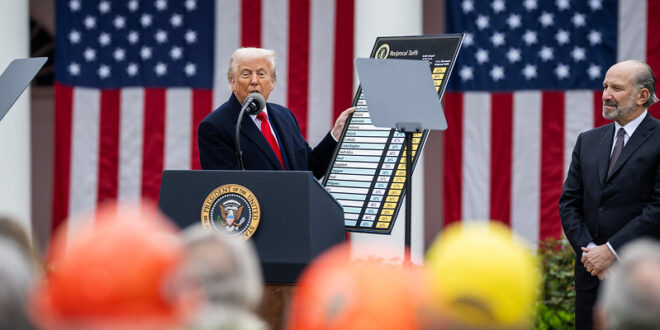
A new round of sweeping import taxes — among the steepest in U.S. history — is now in effect, as President Trump follows through on his so-called “reciprocal trade plan” aimed at punishing countries that run trade surpluses with the U.S.
Effective Wednesday at 12:01 a.m. EDT, the White House implemented sharply increased tariffs on goods from dozens of nations, building on the 10% baseline tariff that took effect over the weekend. These moves are part of what Trump has dubbed “Liberation Day,” a reset in U.S. trade policy aimed at forcing trading partners to reduce their own tariffs or face economic consequences.
“America has been ripped off long enough,” Trump said in a recent address. “From now on, we tax fairly — and that means if you tax us, we tax you.”
Who’s Hit by the New Tariffs?
The new levies target nearly all of America’s trading partners, with tariff rates ranging from 10% to 50%. Countries with high trade surpluses or limited strategic alignment with the U.S. are seeing the harshest rates, including:
-
China – Already facing a 34% tariff, with Trump threatening an additional 50%, which would bring the total to a staggering 104%
-
Vietnam – 46%
-
Madagascar – 47%
-
Taiwan – 32%
-
South Korea – 25%
-
Japan – 24%
-
European Union – 20%
-
Lesotho – 50% (the highest rate imposed)
Backlash Builds at Home and Abroad
While the Trump administration says these tariffs are designed to rebalance trade, economists and business leaders warn they could trigger price hikes, disrupt supply chains, and slow U.S. economic growth.
“Whether or not this causes a recession remains to be seen, but it will undoubtedly dampen growth,” JPMorgan Chase CEO Jamie Dimon noted in a recent letter to shareholders.
The European Union has expressed openness to mutual tariff reductions, but warned that retaliation remains on the table. Meanwhile, China is set to enact its own 34% tariff on U.S. goods starting Thursday, vowing to “fight to the end” if provoked further.
What’s Already in Effect?
Here’s a quick rundown of tariffs already in place prior to Wednesday’s expansion:
-
10% baseline tariff – In effect as of Saturday for nearly all countries
-
Auto imports – 25% levy imposed last Thursday on fully-imported cars; set to expand to parts by May 3
-
Steel and aluminum – 25% tariffs reinstated and expanded as of March 12, removing earlier exemptions
-
China – 34% tariff already imposed; Trump has threatened to double it
-
Mexico & Canada – Previously hit with 25% tariffs, now partially suspended; non-USMCA compliant goods taxed at 25% or 10% depending on product type
Canada has already responded with its own 25% auto tariff, which applies to U.S. vehicles not in compliance with the 2020 U.S.-Mexico-Canada Agreement (USMCA).
What Else Could Be Targeted?
While most goods are now subject to the “reciprocal” tariff structure, some key sectors remain untouched — for now. Trump has floated the idea of new product-specific tariffs on:
-
Copper
-
Lumber
-
Pharmaceutical drugs
Those could come later this year if foreign governments refuse to negotiate or fail to meet White House demands, especially around issues like immigration, currency manipulation, or environmental standards.
What Comes Next?
There’s no clear end in sight to the escalating global trade conflict, with more retaliation likely in the weeks ahead. Trump has made it clear: negotiations will only begin when U.S. interests are prioritized.
“To countries around the world, bring us your best offers and he will listen,” said White House press secretary Karoline Leavitt.
In the meantime, businesses and consumers alike can expect rising prices on everyday goods, from electronics and clothing to cars and kitchenware — as the world adjusts to a new era of protectionist trade under Trump’s second term.

