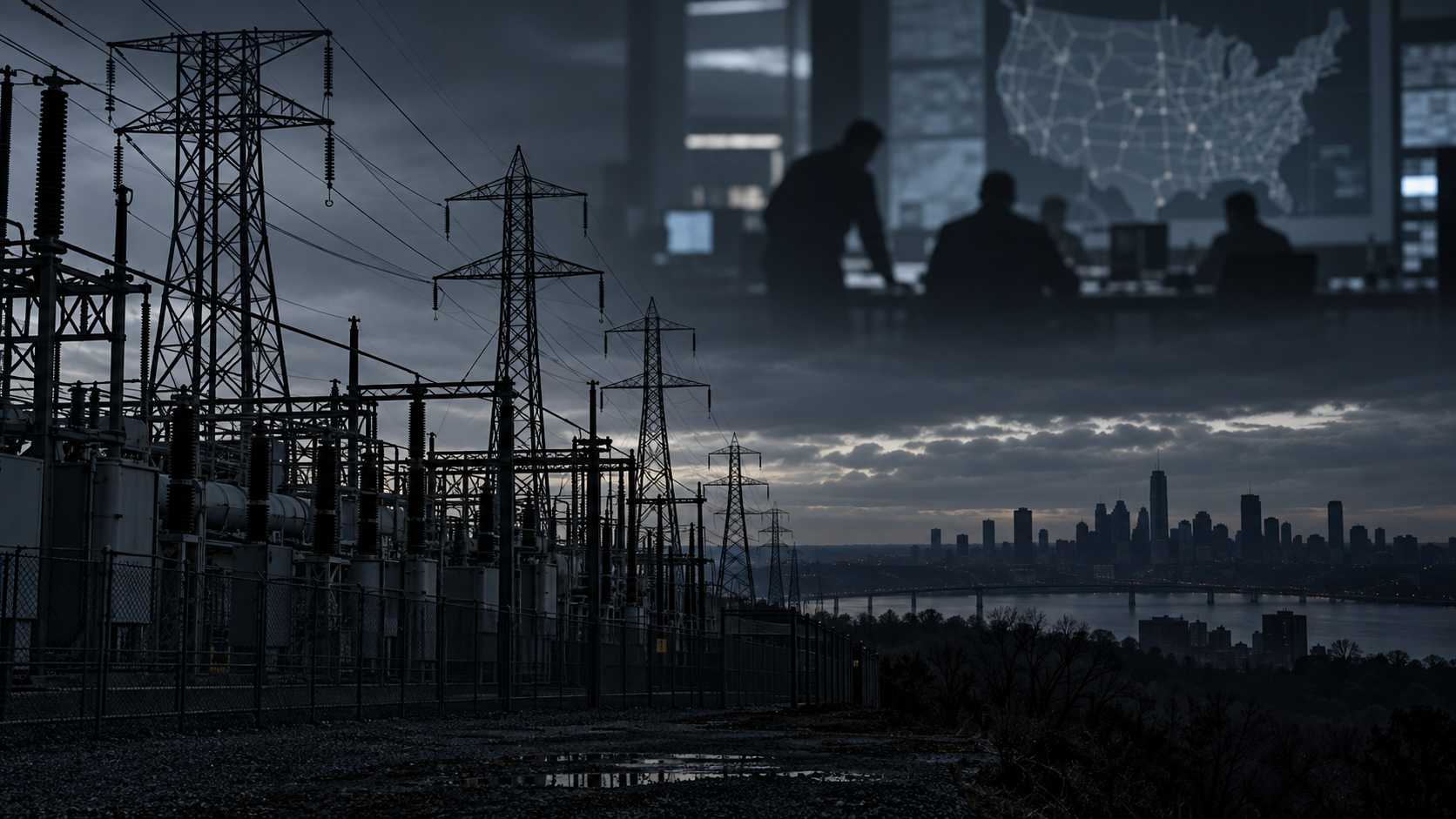
The Pentagon doomsday plan making headlines this week is real, and it is built around a scenario most Americans have never had to picture: a war that reaches U.S. soil and takes down the power grid for months.
According to planning documents first reported by Fox News Digital on October 25, the Pentagon wants every major military base in the continental United States to be able to keep operating on its own for at least 90 days. That covers electricity, water, fuel and communications, all without help from the civilian systems the rest of the country runs on. The initiative is called FORTRESS.
Pentagon chief spokesperson Sean Parnell, who led the effort, told Fox that depending on regular civilian infrastructure to run the nation’s defense is “an intolerable risk.” His argument for the plan fits in four words: “Power is combat now.” Without electricity, Parnell said, the military loses communications, water, logistics, assembly lines and basic command structures.
Here is the problem the plan is trying to solve. Most military bases pull power from the same grid as the towns around them. The grid is the network of power plants and lines that sends electricity to homes, hospitals and businesses. If an enemy knocked it out, whether through a cyberattack or strikes on key equipment, a base would go dark right along with its neighbors. FORTRESS is meant to cut that cord.
To do that, the Pentagon doomsday plan calls for portable nuclear reactors, large scale battery storage and microgrids. A microgrid is a smaller, self contained power system that can disconnect from the main grid and keep running by itself. On a base, that would mean the lights, computers and water systems stay on even if the city next door loses power. “Mission critical power must be independent, hardened, and redundant,” Parnell said.
Power is only one piece. The plan also calls for strategic reserves of munitions, fuel, critical minerals, electronics, spare parts and medical supplies. Critical minerals are raw materials like lithium and rare earth elements that go into weapons, batteries and electronics. How much of each the military stockpiles would depend on how fast those supplies get used up in a major war and how long it would take manufacturers to replace them.
Parnell said the Pentagon expects global trade to fall apart in a large conflict. “The next conflict will likely be fought on multiple fronts,” he said. “When that happens, global supply chains will break.” To protect against that, FORTRESS requires at least two approved sources or production lines for the military’s most critical needs, so losing one factory or one supplier would not stop operations.
The plan also reaches into civilian industry. Through an existing program called the Civil Reserve Manufacturing Network, now folded into FORTRESS, the Pentagon wants to identify commercial factories that could switch to making defense products during a crisis. That is the same idea that turned American car plants into tank and airplane factories during World War II. This time, the Pentagon wants the contracts, technical specs, cybersecurity protections and conversion steps worked out ahead of time instead of scrambling once a war starts. FORTRESS also calls for recurring stress tests and mobilization drills to see whether those manufacturers could keep production going through long disruptions.
Beyond power and factories, the Pentagon doomsday plan includes work to protect military communications, navigation and satellites, including preparing to operate when GPS signals are jammed or space systems are knocked out.
The thinking behind all of it is that the United States can no longer count on distance to keep war away. Parnell said much of the country’s approach to homeland defense was built on “the antiquated assumption that two oceans would protect us.” In both world wars, bases on American soil were largely out of reach. The Pentagon is now planning as if they would not be.
The 90 day standard builds on an earlier push. The Pentagon had already announced plans to make major bases less dependent on the civilian power grid. FORTRESS goes further by extending that self sufficiency to water, fuel and communications.
What the plan does not do is just as important for regular people. As reported, FORTRESS covers military installations. The documents describe backup power, water and supplies for bases, not for the neighborhoods, schools and hospitals surrounding them. Parnell called it an insurance policy for the homeland, but the coverage starts and stops at the base gate.
Despite the doomsday headlines, nothing has been switched on. FORTRESS is a planning standard, and the Pentagon has not released a cost estimate or a timeline for getting bases to the 90 day mark.
The news landed days after the British government launched a campaign called Be Ready, urging families across the United Kingdom to keep emergency supplies of food and water at home.