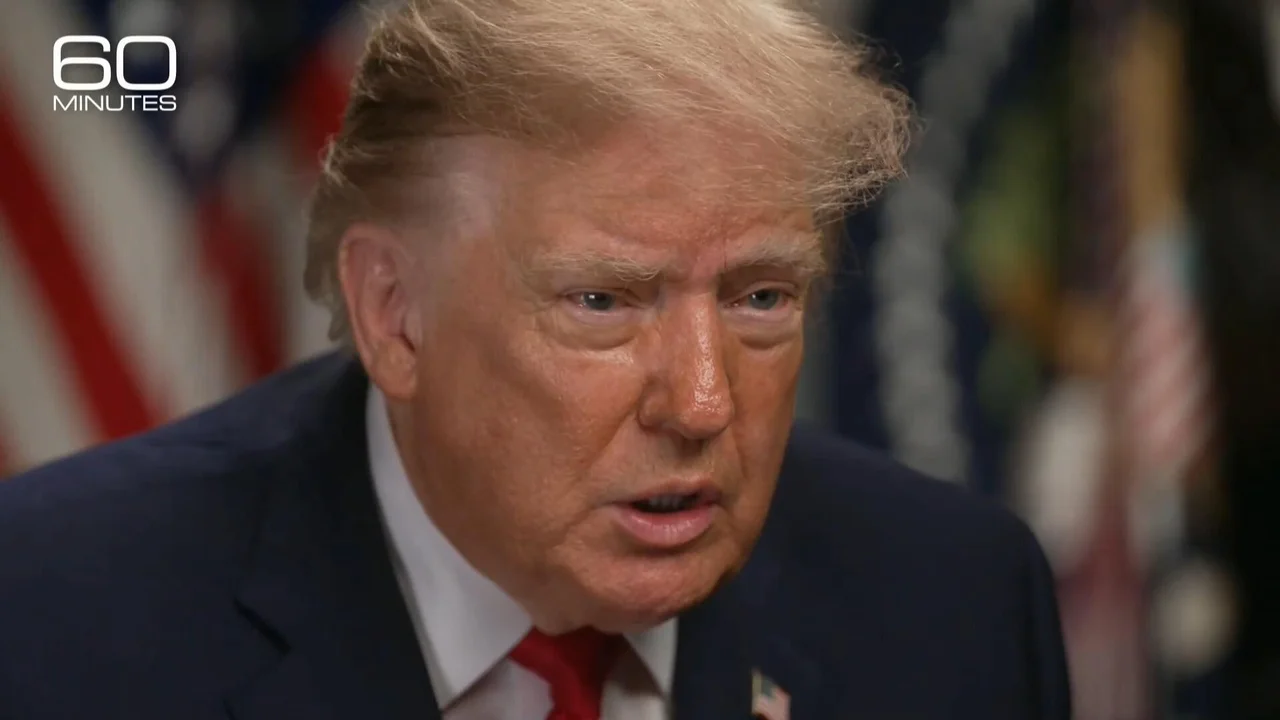
The exchange came when 60 Minutes correspondent Ross Douthat questioned Trump about a Forbes estimate showing his net worth had increased by nearly $3 billion since he won the 2024 presidential election.
“Well, so did everyone’s,” Trump responded.
Douthat pushed back, pointing out that his own net worth had not increased by $3 billion.
The political news that affects your wallet, your rights and your vote, broken down in plain language. Free in your inbox.
“Well, you should have had stock,” Trump replied.
The brief exchange turned into a larger question about how Trump’s personal fortune has grown while he serves as president and what financial interests are contributing to that increase.
According to Forbes’ September 2026 wealth assessment, Trump is worth an estimated $7 billion, making him approximately $2.7 billion richer than when he won the 2024 election. Forbes attributed much of the increase to cryptocurrency ventures and overseas business deals.
When Douthat pressed Trump to explain how his wealth had increased so significantly, Trump said he spends almost no time thinking about his net worth and does not closely manage his own finances.
He pointed to his son, whom he described as a trustworthy person who oversees his money.
Trump also emphasized that he had accumulated substantial cash before returning to the White House and said he does not accept a presidential salary.
However, publicly available financial records provide a clearer picture of how much money has flowed through Trump’s business interests during his second term.
A PolitiFact review of Trump’s financial disclosure found that his reported revenues reached at least $2.2 billion in 2025, compared with $622 million in 2024. The disclosure included at least $1.4 billion in cryptocurrency revenue alone.
Revenue is not the same as profit or an increase in net worth. Nevertheless, the figures show the scale of the financial activity connected to Trump’s business interests.
The growth of Trump’s fortune has renewed questions about potential conflicts of interest when a sitting president maintains substantial private business holdings and financial relationships.
Those concerns are particularly relevant to cryptocurrency ventures, where Trump’s family has maintained significant business interests while his administration has been involved in shaping federal policy affecting the digital asset industry.
The financial arrangements have drawn scrutiny from government ethics advocates and lawmakers who have raised questions about transparency, access and the possibility that people seeking influence could benefit Trump’s private business interests.
The existence of those concerns does not, by itself, establish that Trump violated any law.
Trump’s exchange with Douthat also highlighted a familiar response to questions about his wealth. Rather than directly identifying the investments responsible for the estimated increase, Trump pointed to the stock market, his family’s management of his money and the fact that he entered office already wealthy.
For Americans watching their own finances, the comparison between ordinary stock market gains and a nearly $3 billion increase in one person’s estimated fortune is likely to prompt further questions about the sources of that wealth.
The interview did not provide a detailed accounting of the increase. Instead, it left viewers with Trump’s explanation that he does not pay much attention to his finances and that his son handles the money.
As questions about presidential financial interests continue, the public record, financial disclosures and independent wealth estimates will remain important tools for examining how Trump’s fortune changes while he occupies the nation’s highest elected office.