


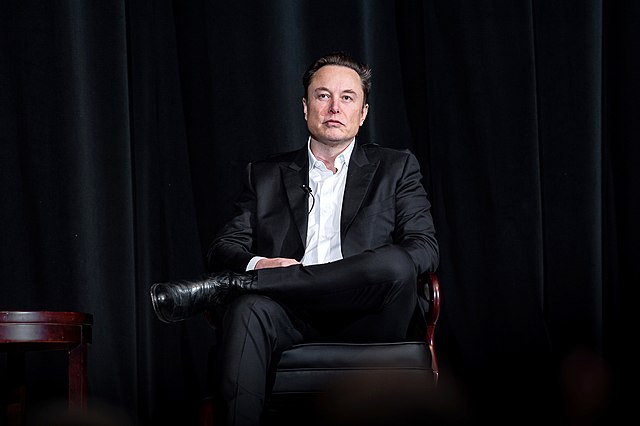
Elon Musk admitted on Saturday that his company SpaceX throttled the Starlink satellite internet service in Ukraine, ending more than a week of unanswered questions about disruptions to a system Ukrainian forces rely on to defend themselves against Russia.
The admission came on social media, shortly after Ukrainian President Volodymyr Zelenskyy announced that Ukraine’s access to Starlink and Starshield satellite links had been restored to the speeds they had before the restrictions.
“The speeds are now where they need to be,” Zelenskyy wrote on X, adding that restoration began overnight and was sufficient by Saturday morning, improving front-line logistics and defense against Russian jet-powered Shahed drones.
Musk’s explanation: a terms-of-service violation
Musk framed the throttling as enforcement, not sabotage. Starlink is a civilian commercial service, he wrote, and it was never allowed to be used for offensive drone strikes to kill people. Ukraine’s military, he said, violated those terms, and “that loophole was closed last week.”
But Musk drew a line between the two systems. He maintained that the U.S. government controlled whatever changes happened with Starshield, SpaceX’s military-grade version of Starlink and the backbone of Ukraine’s drone operations and communications. He also defended SpaceX’s role in bolstering Ukraine’s defenses since Russia’s full-scale invasion began in February 2022.
Before Musk’s confirmation, the question of who ordered the interruptions had hung over the story for days. President Trump had said he did not make the call, while also saying Musk should not be blamed. On Tuesday, CBS News reported that Musk was behind the disruption.
What the restrictions cost on the front line
The restrictions imposed last week on Starshield alarmed Ukraine’s military and government officials, with commanders reporting lost drones and disrupted missions. For a military that has built much of its drone warfare around the satellite network, even a partial slowdown ripples through targeting, logistics, and communications.
The restoration matters most, in Kyiv’s telling, for the soldiers using the system daily. A Ukrainian official credited “direct dialogue” and Zelenskyy’s diplomacy with Washington, adding that the outcome mattered most “for our front, for the military, the work of drones, logistics and communications.”
Zelenskyy on Saturday thanked Americans and “all our partners, who took all this seriously and are really helping us.”
A thaw, and a strain
The restoration follows a new U.S. diplomatic push to end the war. Russia agreed Wednesday to resume three-way negotiations with Washington and Kyiv next month. On Friday, Kyiv and Moscow also agreed to a localized ceasefire brokered by first lady Melania Trump around Oleshky, a war-ravaged, Russian-occupied town in Ukraine’s southern Kherson region.
But the episode added to tensions between Kyiv and Washington, a relationship already strained by Trump’s reported deal with Moscow on Russian diesel imports, which Ukraine viewed as a betrayal, according to CBS News.
The timing puts both threads on the same clock: a satellite network restored just as negotiators prepare to sit down again, and a Ukrainian military that spent more than a week fighting with a throttled lifeline now waiting to see whether the fix holds.
