Poli Alert Politics & Civics
Related Articles


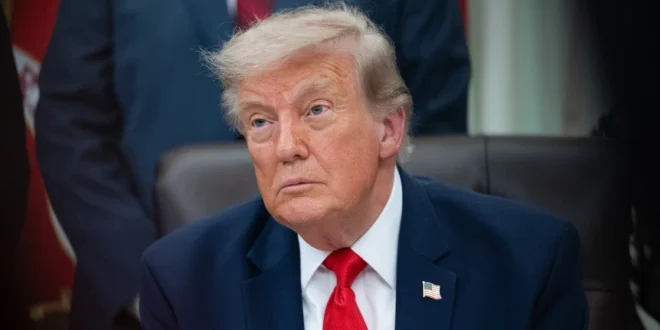
President Donald Trump on Saturday rejected an Iranian proposal to reopen the Strait of Hormuz within seven days and resume negotiations over Tehran’s nuclear program, signaling that Washington is not prepared to ease pressure on Iran despite the economic stakes of the critical waterway.
“I’m rejecting their deal,” Trump told reporters Saturday.
Iranian Foreign Minister Abbas Araghchi said Friday that Tehran had delivered the proposal to the United States through Qatar as diplomatic efforts continued on the sidelines of the United Nations General Assembly in New York.
Under the proposal, Iran would reopen the Strait and return to nuclear negotiations in exchange for several concessions from Washington, including an end to the U.S. naval blockade of Iranian ports, a waiver of sanctions on Iranian oil sales and a ceasefire covering Iran and Lebanon, Araghchi said, according to The Associated Press.
Trump said he was not interested in pursuing the proposal at this stage of the conflict.
“They wanna make a deal where they open the Strait immediately because they’re losing so badly,” Trump said. “We’re winning tremendously. We have total control of the Hormuz Strait.”
Trump signals continued pressure on Iran
Trump had already rejected the proposal privately, according to The Wall Street Journal, which cited U.S. officials. The newspaper also reported that Trump is considering renewed military action against Iran after the November midterm elections, including a potential bombing campaign.
The administration has not publicly announced a timetable for any renewed operation.
Trump’s rejection of the Iranian offer comes as the Strait of Hormuz remains a central pressure point in the conflict. The waterway connects the Persian Gulf with the Gulf of Oman and is one of the world’s most important routes for oil and liquefied natural gas shipments.
Any prolonged disruption could affect global energy markets, making the dispute over the strait both a military and economic issue.
Iran ties reopening Strait to U.S. concessions
Araghchi’s proposal would link the reopening of the waterway to broader diplomatic and economic concessions from Washington.
Iran has sought relief from U.S. sanctions that have restricted its oil exports, while Tehran has also opposed the U.S. naval blockade of its ports.
The proposal would also restart negotiations over Iran’s nuclear program, an issue that has remained at the center of tensions between Tehran and Washington.
Trump withdrew the United States from the 2015 nuclear agreement during his first term and has repeatedly demanded limits on Iran’s nuclear activities.
The latest proposal suggests Tehran is attempting to use control over the strategically important waterway as leverage in negotiations.
Trump renames Strait on social media
Trump escalated his rhetoric Friday night by sharing a map of the region on Truth Social that labeled the Strait of Hormuz the “Trump Strait.”
The move came as the president continued to portray the conflict as a military success for the United States while rejecting calls for an immediate diplomatic settlement.
Iran, meanwhile, has continued to seek terms that would reduce the economic and military pressure imposed by Washington.
Whether the two sides return to negotiations could depend on the course of the conflict, the future of the Strait and the administration’s willingness to consider sanctions relief or a ceasefire.
For now, Trump’s rejection of Tehran’s offer leaves the critical waterway at the center of an increasingly high-stakes confrontation with no agreement in sight.