

The United States is on pace for its worst cyclospora outbreak on record after confirmed infections nearly doubled in recent days, prompting federal health officials to investigate multiple produce items as possible sources.
The Centers for Disease Control and Prevention reported Tuesday that 1,645 confirmed cases of cyclosporiasis have been identified across 34 states, with 141 hospitalizations. The agency said it is also aware of more than 5,100 additional suspected cases awaiting confirmation.
Health experts say the true number of infections is likely higher because many cases go undiagnosed or have not yet been reported.
The foodborne illness is caused by Cyclospora cayetanensis, a microscopic parasite spread through food or water contaminated with fecal matter. Symptoms typically include watery diarrhea, abdominal cramping, nausea, bloating, fatigue and weight loss. Without treatment, the illness can persist for weeks or even months.
Michigan has reported the largest outbreak, with 3,762 cases and 44 hospitalizations — far exceeding its typical annual total of 40 to 50 infections. Federal officials believe more than 400 illnesses reported in Michigan, Ohio, West Virginia and Kentucky may be connected to a common source, though investigators have not yet identified it.
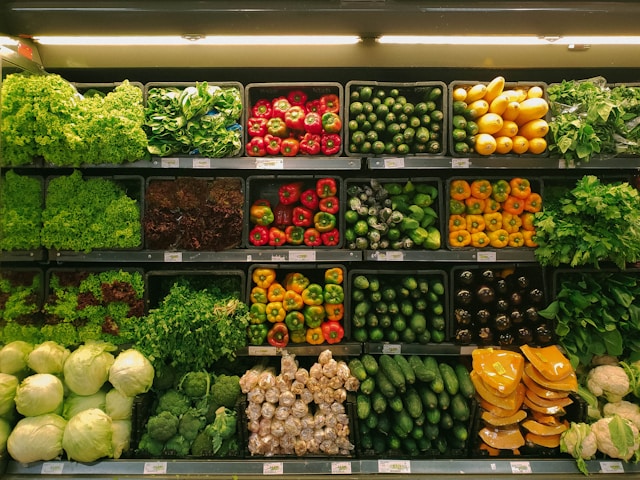
The Food and Drug Administration said it is investigating several types of fresh produce. Michigan officials said early evidence points to lettuce and salad greens, but cautioned that no single food source has been confirmed.
Previous U.S. outbreaks have been linked to bagged salads, cilantro, basil, raspberries, snow peas and snap peas.
The recent surge has led some restaurants to remove fresh produce from menus as a precaution. Taco Bell confirmed it temporarily pulled ingredients including lettuce, cilantro and onions from some locations, though health officials have not linked the chain to the outbreak.
Cyclospora cases typically increase during the warmer months, but epidemiologists say this year’s outbreak is unusually large and could continue expanding through August.
The parasite can be difficult to trace because symptoms often appear days or weeks after exposure, making it challenging for patients to remember what they ate. Detecting cyclospora in food is also more difficult than identifying bacterial contamination.
Health officials continue to recommend washing fresh produce before eating, though experts note rinsing alone may not eliminate the parasite. Cooking produce to at least 158 degrees Fahrenheit is considered the most effective way to kill it.
Doctors recommend anyone experiencing prolonged diarrhea or other symptoms seek medical care. The infection is commonly treated with the antibiotic trimethoprim-sulfamethoxazole, marketed under brand names including Bactrim.
Public health experts have also raised concerns that recent reductions in federal funding for foodborne illness surveillance could complicate efforts to identify outbreaks and track infections nationwide.