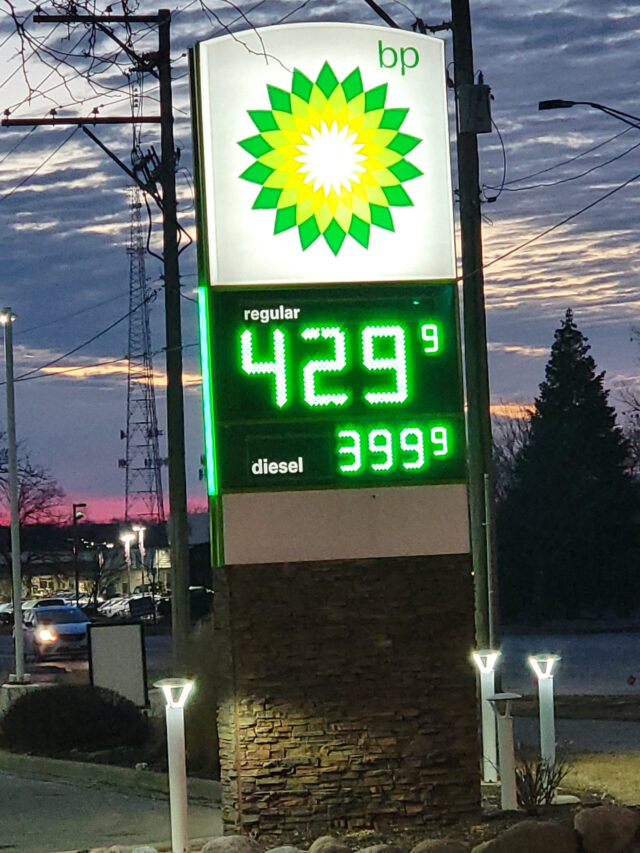
Global energy markets were jolted Thursday as oil and gas prices surged following a wave of Iranian strikes on critical infrastructure across the Persian Gulf, raising fears of prolonged disruptions to global supply.
Brent crude, the international oil benchmark, climbed above $115 per barrel, while European natural gas futures also spiked amid escalating concerns about supply shortages tied to the widening conflict.
The attacks targeted major facilities in Qatar, Saudi Arabia and Kuwait and mark a significant escalation in the regional fallout from the U.S.-Israeli war with Iran, drawing in key energy producers and heightening risks to one of the world’s most vital oil and gas corridors.
The political news that affects your wallet, your rights and your vote, broken down in plain language. Free in your inbox.
Key energy hubs hit across Gulf
Qatar’s state-owned energy company said missile strikes early Thursday hit multiple liquefied natural gas facilities, causing fires and “extensive further damage.” The attacks followed earlier strikes on Ras Laffan Industrial City, a major hub for LNG exports.
In Kuwait, the Kuwait National Petroleum Company reported that drone attacks struck two refineries, igniting fires and disrupting operations.
Saudi officials said a drone strike targeted the SAMREF refinery, while air defenses intercepted a ballistic missile aimed at the Red Sea port city of Yanbu.
The coordinated strikes on energy infrastructure, including refineries, export terminals and processing plants, have amplified concerns about a sustained shock to global supply chains.
South Pars strike escalates tensions
The latest escalation followed an Israeli strike on the South Pars gas field, the world’s largest natural gas field, earlier this week. Iran responded with retaliatory missile strikes, including the attack on Qatari facilities.
Iranian Parliament Speaker Mohammad Ghalibaf signaled a shift in strategy following the exchange.
“An eye for an eye equation is in effect, and a new level of confrontation has begun,” he said.
Trump distances U.S., issues warning
Donald Trump sought to distance the United States from the Israeli strike on South Pars, saying the operation was carried out independently.
“States knew nothing about this particular attack,” Trump said in a social media post, adding that Qatar had no prior knowledge.
At the same time, Trump issued a stark warning to Iran, saying the U.S. would respond forcefully if further attacks target Qatari energy infrastructure.
“I do not want to authorize this level of violence,” he said, “but if Qatar’s LNG is again attacked, I will not hesitate.”
Global leaders call for de-escalation
The intensifying strikes prompted urgent appeals from international leaders to prevent further escalation and protect critical infrastructure.
French President Emmanuel Macron, speaking in Brussels, called for restraint and warned of the broader economic consequences.
“I hope everybody returns to reason,” Macron said, urging a halt to attacks on both civilian areas and energy facilities.
In a joint statement, representatives from 12 regional countries, including Turkey, Jordan and Lebanon, condemned what they described as deliberate strikes on civilian infrastructure, including oil facilities, airports and residential areas.
Markets react to supply fears
The Persian Gulf remains a critical artery for global energy flows, with a significant share of the world’s oil and liquefied natural gas passing through the region.
Analysts warn that continued attacks on infrastructure, particularly LNG facilities in Qatar, one of the world’s largest exporters, could have cascading effects on global energy markets, driving up prices and straining supply.
The latest surge in oil and gas prices reflects growing concern that the conflict could disrupt production or shipping routes, especially if attacks expand to include tanker traffic or chokepoints such as the Strait of Hormuz.
Broader economic implications
Rising energy prices are expected to ripple through global economies, potentially increasing fuel costs, driving inflation and complicating central bank policy decisions.
For the United States and its allies, the spike presents both economic and political challenges, particularly as governments weigh further involvement in the conflict while managing domestic concerns about energy affordability.
What comes next
With tensions escalating and retaliatory strikes continuing, markets are likely to remain volatile in the near term. Diplomatic efforts to contain the conflict are ongoing, but the expanding scope of attacks suggests the risk of further disruption remains high.